The Role of the Global Internet in Promoting Digital Inclusion and Access to Education
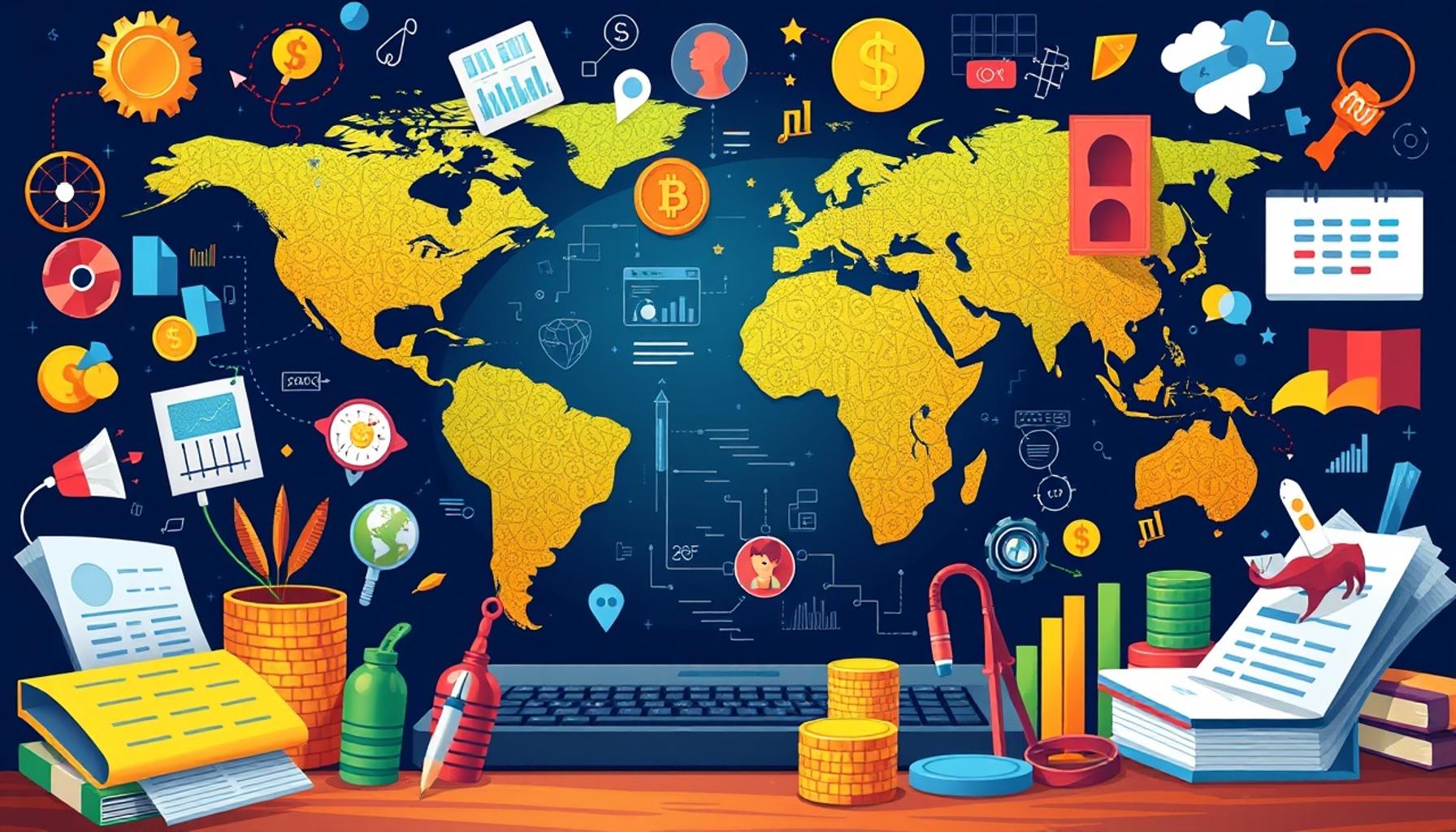
Understanding the Impact of the Internet on Education
The global internet has seamlessly integrated into our lives, reshaping how education is delivered and accessed. As we navigate through this dynamic landscape, many students and educators are finding innovative ways to utilize these resources. The internet’s ability to break geographic and financial barriers has made education more inclusive, creating a more equitable learning environment for all.
Online Learning Platforms are at the forefront of this educational revolution. For instance, platforms like Khan Academy and Coursera offer a wide array of subjects—from mathematics to philosophy—many of which are completely free. A high school student in a small town has the same access to advanced courses as someone in a metropolitan area. Moreover, these platforms often feature interactive elements such as quizzes and community forums, leading to a richer learning experience that encourages student engagement and persistence.
In addition, Open Educational Resources (OER) democratize access to high-quality educational materials. Websites like OER Commons provide free access to educational materials including textbooks, lecture notes, and research articles. This has proved especially beneficial for college students who face exorbitant textbook costs. By allowing educators to tailor resources to their specific classroom needs, OER fosters a more personalized and effective teaching approach, which can enhance student learning outcomes.
Remote Learning has gained significant traction, especially during the COVID-19 pandemic. Tools like Zoom and Google Classroom allowed for a seamless transition to online learning, ensuring students could continue their education from the safety of their homes. Schools across the United States quickly adapted to this new reality, developing virtual classrooms where teachers could interact with their students in real time. This shift has not only made educational continuity possible during crises but has opened the door for hybrid models of learning in the future.
However, amidst these advancements, the challenge of the digital divide remains prevalent. Many rural and underserved communities still struggle with affordable internet access, which hampers their ability to engage fully with online educational content. For example, a student in rural America may find themselves limited to outdated resources or unable to participate in online classes due to slow internet speeds. Furthermore, the issue of digital literacy looms large; understanding how to effectively use technology is crucial for leveraging these resources. Programs aimed at improving digital skills among students, parents, and educators are essential for ensuring that everyone can benefit from the wealth of information available online.
In conclusion, while the internet holds transformative potential for education, it is vital to address the disparities that still exist. By ensuring equitable access to both technology and the skills required to use it, we can unlock opportunities for countless individuals to thrive in an increasingly complex world. The internet can be a powerful equalizer in education, promoting inclusivity and empowering learners from all walks of life.
DISCOVER: Click here to learn more
Expanding Learning Opportunities through Online Resources
The internet has drastically changed the educational landscape, enabling access to a wealth of resources that would have been unimaginable a few decades ago. With just a few clicks, students can explore a multitude of subjects, participate in discussions with peers across the globe, and gain insights from experts in various fields. This radical shift is particularly significant for students in underserved areas, who may have limited access to traditional educational facilities.
Massive Open Online Courses (MOOCs) are a pivotal development in this regard. Platforms like edX and FutureLearn offer courses from prestigious universities, allowing anyone with an internet connection to enroll. For example, a student from a low-income neighborhood can take a computer science class taught by a professor from Stanford University, expanding their horizons without having to travel or incur high tuition fees. MOOCs also often allow learners to progress at their own pace, making education more adaptable to individual needs.
Furthermore, libraries of educational videos on platforms such as YouTube and TED-Ed provide dynamic and engaging learning materials. These videos can simplify complex topics and make learning enjoyable for students of all ages. For instance, a student struggling with biology can watch animation-based explanations on cellular processes, making challenging material more accessible. The diversification of content delivery is essential for catering to different learning styles and enhancing student engagement.
Importantly, the internet fosters a sense of community and collaboration among learners. Online discussion forums, study groups, and social media platforms facilitate interactions between students and educators, providing support and shared learning experiences. For example, platforms such as Reddit and Discord host groups dedicated to various academic subjects, allowing students to ask questions, share resources, and learn from one another. This collaborative learning environment can be incredibly beneficial, particularly for students who may feel isolated in their educational journeys.
Despite these advancements, it is crucial to acknowledge the challenges that still exist in ensuring complete accessibility to online education. The obstacles include:
- Limited Internet Connectivity: Many rural and low-income urban areas in the United States still face challenges with reliable internet access, which can hinder students from taking full advantage of online resources.
- High Equipment Costs: Owning a computer or tablet is essential for accessing online courses, yet for some families, these expenses can be prohibitively high.
- Digital Literacy Gaps: Not all students and families possess the necessary skills to navigate online learning platforms, underscoring the importance of community training and support programs.
Addressing these concerns is imperative to maximizing the internet’s potential as a tool for education. By focusing on initiatives that improve internet access, provide affordable technology, and enhance digital literacy programs, we can further promote digital inclusion and empower learners to succeed in today’s information-driven world.
DIVE DEEPER: Click here to learn about the challenges of cybersecurity
Bridging Educational Gaps through Innovative Solutions
In addition to providing vast online resources, the global internet also supports innovative solutions that address educational disparities. Creating an equitable learning environment is essential, and numerous initiatives are leveraging internet capabilities to enhance educational opportunities for marginalized communities.
Online Tutoring and Mentorship Programs are among the most effective tools available today. Platforms like Khan Academy and Chegg Tutors offer free or low-cost access to personalized tutoring in a variety of subjects. For example, a student struggling with math concepts can connect with a volunteer tutor from across the country who specializes in the subject. This tailored help not only keeps students engaged but also boosts confidence and academic performance. Such programs can play a crucial role in leveling the playing field, as disadvantaged students receive focused attention and support that may be otherwise unavailable to them.
Moreover, educational apps are rapidly gaining popularity as interactive learning tools. Apps like Duolingo for language learning or Prodigy for math games help students practice core skills while making learning fun. These apps are especially valuable in areas where schools may not have the resources to provide diverse educational materials. For instance, a child in a rural community can use educational apps on a smartphone to improve their reading skills, providing them with the necessary inputs to succeed. Accessibility to quality education becomes possible without relying solely on traditional classroom settings.
Additionally, the rise of flipped classrooms, where students engage with video lectures and other online content at home and come to class for hands-on activities and discussions, signifies a crucial shift in educational approaches. By allowing students to learn at their own pace and then collaborate during class time, educators can better address individual challenges. This model has proven especially beneficial for students who may need extra time to grasp complex material, creating a more equitable learning environment for all.
Another promising initiative is the integration of community partnerships to enhance digital inclusion. Schools are collaborating with local organizations to create internet hotspots in underserved areas, ensuring that students have reliable access to online resources. For example, public libraries and community centers in various cities have launched programs that provide free Wi-Fi access, computers, and digital literacy workshops. Such collaborations not only remove barriers to education but also foster a supportive environment, encouraging families to engage with educational opportunities available online.
However, sustaining these initiatives requires ongoing commitment from policymakers and educational institutions. It is crucial to invest in infrastructure to improve broadband access, ensuring everyone can connect to the internet affordably. Government programs such as the Emergency Broadband Benefit in the United States, which offers discounts on internet service for eligible low-income households, represent a significant step towards enhancing access. Programs like these need to be expanded and supported to guarantee that every student can benefit from the educational resources the internet offers.
As we strive towards a more inclusive educational landscape, the global internet holds transformative potential. By harnessing innovative tools and fostering collaborative efforts, we can ensure that every learner, regardless of their background or location, has the opportunity to succeed in our increasingly digital world.
DIVE DEEPER: Click here to explore the future of interactivity
Conclusion: Building a Brighter Future Through Digital Inclusion
The global internet serves as a powerful catalyst for digital inclusion and access to education, fundamentally reshaping the way learning occurs around the world. As we’ve highlighted, various innovative tools—such as online tutoring programs, educational apps, flipped classrooms, and community partnerships—play a critical role in bridging educational gaps. These resources not only enhance educational opportunities for marginalized communities but also empower students to take control of their learning experience.
Investing in broadband access remains essential for ensuring that every student can tap into the vast wealth of information and support available online. By continuing to build partnerships between schools and local organizations, as well as supporting government initiatives aimed at subsidizing internet costs for low-income families, we can create a more equitable educational landscape. In this way, we pave the way for all students, regardless of their geographical or socioeconomic circumstances, to thrive in a digital-first world.
As we move forward, it is imperative to recognize the shared responsibility that educators, policymakers, and communities have in fostering an inclusive environment where every learner can succeed. The global internet is not just a tool for connectivity; it is a bridge to opportunity, knowledge, and empowerment. By embracing this potential, we can build a brighter future for generations to come, ensuring that high-quality education is a right, not a privilege.

Maria Eduarda
Linda Carter is a writer and expert known for producing clear, engaging, and easy-to-understand content. With solid experience guiding people in achieving their goals, she shares valuable insights and practical guidance. Her mission is to support readers in making informed choices and achieving significant progress.