The Influence of Social Media on Opinion Formation on a Global Scale
Understanding the Impact of Social Media on Public Opinion
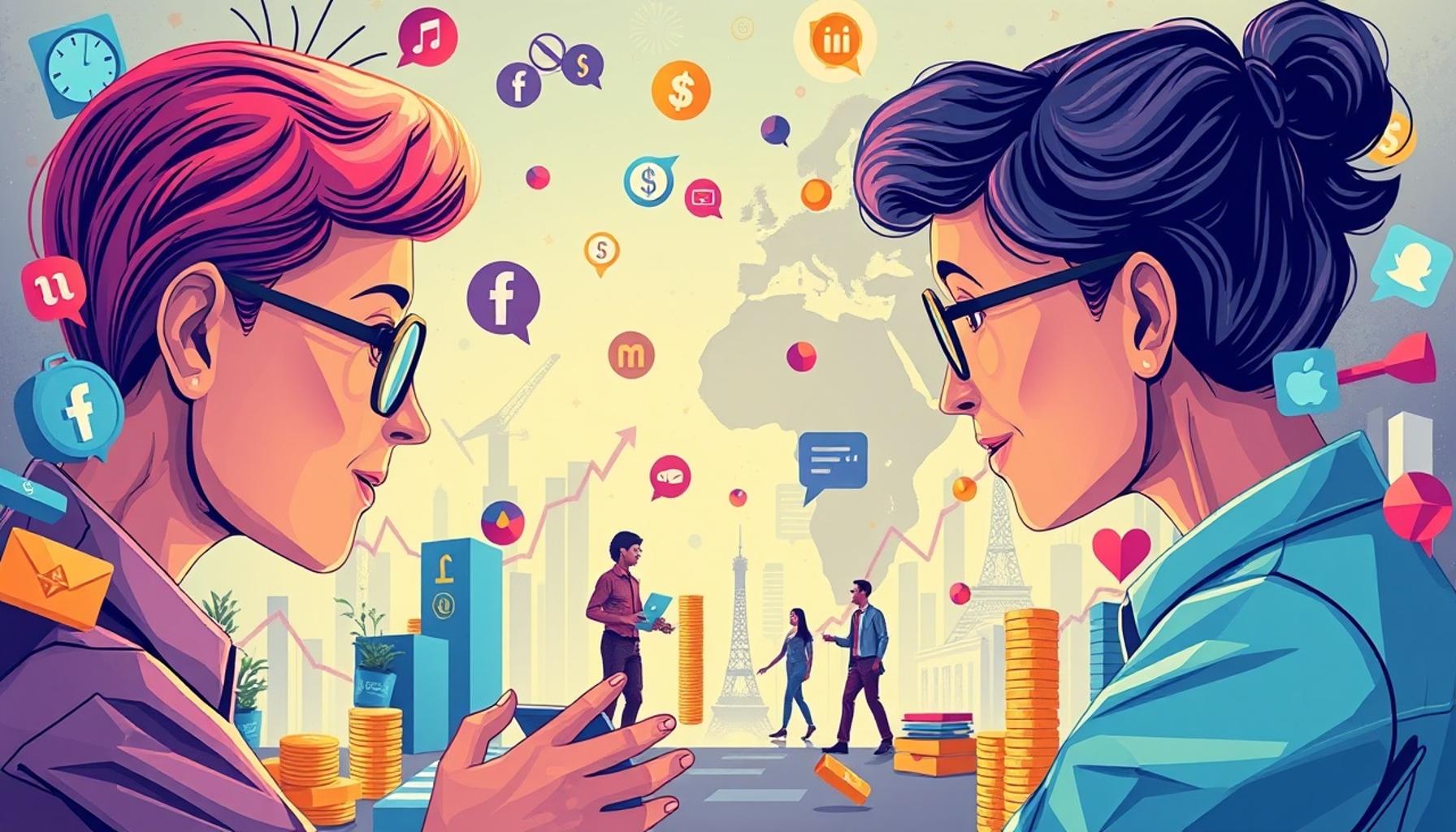
In the rapidly evolving digital landscape of today, social media platforms are not just venues for social interaction; they have morphed into influential mechanisms that shape public discourse and opinion on a global scale. With billions of users around the world, platforms like Facebook, Twitter, and Instagram provide the infrastructure for instantaneous sharing of information and perspectives. This seamless communication fosters a global dialogue that transcends geographical borders and cultural differences.
Rapid Information Dissemination
News can spread like wildfire across social media channels, prompting swift changes in public sentiment. For instance, during natural disasters or significant political events, tweets or posts can inform people faster than traditional news cycles. The 2020 COVID-19 pandemic is a prime example, where social media was pivotal in disseminating health updates, safety protocols, and personal experiences. People often tuned in to platforms to receive the latest information, sometimes even before official announcements were made.
Diverse Voices
Social media platforms enable a mosaic of opinions to emerge from users from varied backgrounds, who contribute unique insights that enrich discussions. For example, the Black Lives Matter movement gained tremendous traction on social media, with individuals from different communities sharing their experiences with racial inequality. These personal narratives not only humanized the complex issues at play but also galvanized support for social justice initiatives across the country.
Echo Chambers
Despite these advantages, social media is often criticized for creating echo chambers, where algorithms curate content that aligns with users’ existing beliefs. This reinforces their viewpoints and limits exposure to alternative perspectives, potentially stunting critical thinking. A notable instance is the polarization surrounding political issues in the United States, where individuals are often only fed content that reflects their own ideologies, contributing to divisions within society.
As we explore the multifaceted implications of social media on opinion formation, it becomes essential to weigh both the positive and negative effects. Social media is not merely a platform for personal expression; it challenges traditional paradigms of communication, forcing us to reevaluate how we process information. Ultimately, understanding this dynamic can help us navigate the complexities of modern discourse, empowering us to engage more thoughtfully in our increasingly interconnected world.
DIVE DEEPER: Click here to uncover more insights
The Dual Nature of Information Flow
One of the most profound effects of social media on opinion formation is the dual nature of information flow it facilitates. On one hand, social media offers unparalleled access to a variety of viewpoints, while on the other, it can propagate misinformation at an alarming rate. This duality poses significant challenges for individuals trying to differentiate between credible sources and sensationalist content.
The Role of User-Generated Content
Social media platforms empower users to become content creators, allowing anyone with an internet connection to share their thoughts and ideas. This democratization of information has both positive and negative impacts on public opinion:
- Increased Participation: Individuals who previously felt marginalized can now voice their opinions and influence discourse. For example, during election cycles in the U.S., grassroots movements often gain traction through viral posts and hashtags, inspiring broader engagement from the electorate.
- Accessibility of Diverse Information: Social media serves as a repository for diverse perspectives, particularly on social issues. Organizations advocating for climate change, gender equality, or mental health awareness leverage these platforms to broaden their reach and educate the public.
- Potential for Misinformation: However, not all content is fact-checked or verified. Misinformation can spread rapidly, creating confusion among users. The sharing of misleading articles or fabricated stories can shape public perception on critical issues, affecting everything from public health decisions to voting behaviors.
Impact of Influencers and Public Figures
Influencers and public figures now play a pivotal role in shaping public opinion through their social media presence. Their endorsements can lead to significant shifts in consumer behavior, political views, and social perceptions. For instance, celebrities and social media influencers promoting mental health awareness on their platforms have brought attention to what was once considered a taboo subject. As they share personal experiences or advocate for specific causes, they encourage their followers to engage in discussions, further amplifying the message.
However, it’s essential to recognize that this influence is a double-edged sword. The impact of influencers can often be skewed by their personal biases or commercial interests, which may not always align with the values or well-being of their audience. As consumers of information, it is vital to remain critical of the messaging received from influencers and seek out multiple perspectives before forming opinions.
In conclusion, while social media offers a unique avenue for diverse voices and the rapid spread of information, it also presents significant challenges related to misinformation and the influence of powerful figures. Understanding these dynamics is crucial in navigating the complexities of modern opinion formation on a global scale.
DISCOVER MORE: Click here to learn how chatbots are reshaping shopping
The Echo Chamber Effect
In addition to the dual nature of information flow, another significant phenomenon that emerges through social media is the echo chamber effect. This concept describes how social media platforms can create insulated environments where individuals are primarily exposed to viewpoints that reinforce their existing beliefs. This effect can have profound implications for opinion formation on a global scale.
User Behavior and Algorithmic Reinforcement
Social media platforms utilize algorithms that analyze user behavior, such as likes, shares, and comments, to curate content tailored to individual preferences. While this can enhance user experience by providing relevant content, it inadvertently contributes to the echo chamber effect:
- Confirmation Bias: Users often gravitate towards content that aligns with their views, leading to a reinforcement of pre-existing opinions. For example, a user who regularly engages with climate change denial content may find their feed flooded with similar posts, limiting exposure to scientifically backed information.
- Polarization of Opinions: As individuals become more entrenched in their viewpoints, the potential for civil discourse diminishes. This polarization can result in hostile interactions between groups with opposing beliefs, reducing the opportunities for constructive dialogue and undermining mutual understanding.
The Role of Social Movements
While the echo chamber effect can hinder healthy debate, social media also plays a crucial role in facilitating social movements that aim to challenge prevailing opinions. Hashtags and viral campaigns have the power to mobilize communities around critical issues:
- Grassroots Activism: Movements such as #MeToo and Black Lives Matter gained momentum through social media, allowing individuals to share their stories, raise awareness, and foster solidarity. Such movements have prompted significant societal changes and fostered discussions about injustice and inequality, illustrating how social media can be a catalyst for transformative dialogue.
- Global Solidarity: The interconnectedness of social media enables individuals across the globe to unite for a common cause, transcending geographical boundaries. For instance, climate protests worldwide were organized through social media platforms, demonstrating a collective voice advocating for environmental sustainability.
Challenges of Regulation and Accountability
As the impact of social media on opinion formation grows, regulatory bodies face the challenge of ensuring accountability. The spread of misinformation, hate speech, and extremist content raises important questions about the responsibility of social media companies:
- Content Moderation: Striking a balance between freedom of expression and the need to combat harmful content is a delicate task. Effective content moderation policies are crucial in curbing the spread of misinformation while respecting users’ rights to share their views.
- Transparency Measures: Social media platforms are called upon to disclose how their algorithms operate and how they curate content. Increased transparency can empower users to make informed decisions about the information they consume and help mitigate the echo chamber effect.
Understanding the dynamics of echo chambers, user behavior, and the potential for social movements is essential in navigating the complex landscape of opinion formation in the age of social media. These factors profoundly influence how individuals perceive issues and engage with one another in both local and global conversations.
DISCOVER MORE: Click here to learn about the evolving threats
Conclusion
In conclusion, social media has become a dominant force in shaping public opinion on a global scale, wielding both positive and negative influences. Its ability to facilitate instant communication allows for the rapid dissemination of information, enabling social movements like #MeToo and Black Lives Matter to gather momentum and spark necessary conversations about injustice. However, it is essential to recognize the challenges posed by the echo chamber effect, where algorithm-driven content reinforcement can lead to polarization and the entrenchment of opinions.
The phenomena we discussed highlight the importance of understanding user behavior and the ramifications of algorithmic curation. Users must be aware of their consumption patterns, as the content they engage with can limit their exposure to diverse viewpoints. Moreover, the role of social media companies in moderating content and ensuring accountability is critical in creating a healthy online ecosystem. Striking a balance between freedom of expression and the need to eliminate harmful content remains a pressing challenge.
Ultimately, to navigate the complexities of opinion formation in the digital age, individuals and regulators alike must advocate for increased transparency and embrace constructive dialogue. By fostering an environment where diverse perspectives are shared and debated, society can work towards reducing polarization and enhancing mutual understanding. As we move forward, it is crucial to harness the power of social media responsibly, ensuring it serves as a platform for positive change and meaningful engagement on a global scale.

Maria Eduarda
Linda Carter is a writer and expert known for producing clear, engaging, and easy-to-understand content. With solid experience guiding people in achieving their goals, she shares valuable insights and practical guidance. Her mission is to support readers in making informed choices and achieving significant progress.