The Metaverse Revolution: How Virtual Events Are Transforming the User Experience
Understanding the Metaverse and Virtual Events
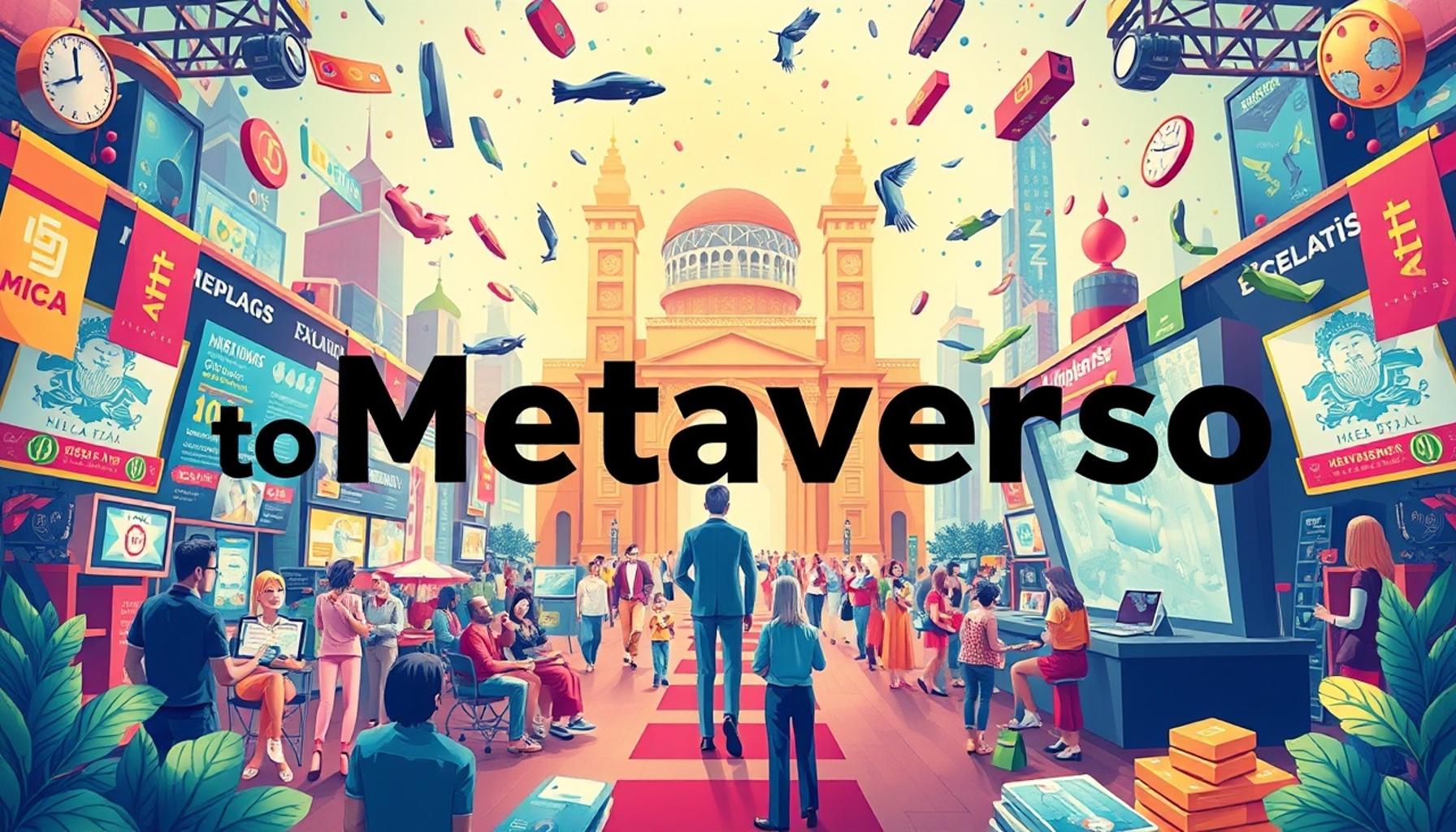
The emergence of the metaverse is revolutionizing our interaction with technology and reshaping social connections. At the forefront of this transformation are virtual events, which offer innovative experiences that fundamentally redefine how we communicate and collaborate. The immersive nature of these environments allows users to become not just spectators but active participants, engaged in a myriad of activities that were once confined to physical spaces.
One of the most compelling aspects of virtual events is their inherent interactivity. Unlike traditional conferences where attendees might sit quietly and listen to presentations, the metaverse encourages direct interaction between speakers and attendees. For example, during a panel discussion, participants can pose questions in real-time, echoing the vibrant dynamics of a live audience. This creates an engaging atmosphere where ideas can be exchanged spontaneously, adding depth to the conversation.
Moreover, immersive experiences play a crucial role in enhancing the appeal of virtual events. Organizers can craft environments that closely mimic their real-world counterparts, such as convention centers or theaters. Imagine attending a product launch in a beautifully recreated venue that engages all your senses, from visually stunning graphics to ambient soundscapes. This level of immersion not only captures attention but also fosters a sense of presence and community among attendees, which can enhance the overall experience.
Key Features Enhancing User Engagement
One significant advantage of virtual events is their global accessibility. Regardless of geographic location, individuals can participate without the constraints of travel and accommodation. This inclusivity opens doors for diverse audiences to gather, share, and learn from one another. For example, a tech summit can attract participants from different continents, enriching discussions with a variety of perspectives and cultural insights.
Furthermore, the ability to create customizable avatars adds a fun and personal touch to the experience. Attendees can represent themselves in ways that suit their personalities and preferences, making the environment feel familiar and inviting. These avatars can be adorned with hats, clothing, and accessories, allowing for personal expression that often isn’t possible in a conventional setting.
Networking opportunities are another significant feature offered within the metaverse. Virtual lounges and breakout rooms serve as excellent spaces for building connections. Similar to mingling during coffee breaks at physical conferences, these digital settings facilitate organic conversations and collaborations, leading to meaningful connections that can extend beyond the event itself.
Moreover, innovative platforms equipped with tools like virtual reality headsets and interactive software are transforming the engagement dynamic. These technologies allow for memorable interactions, enabling participants to participate in simulations or activities that enhance learning and collaboration.
This revolution in user experience invites us to rethink not just how we attend events but how we connect and collaborate within a digital realm. The metaverse represents not just a new way to gather; it embodies a transformative approach to learning, sharing, and growing in a connected world. As we embrace these advancements, we can expect an evolution in how we perceive and participate in events and interactions online.
DIVE DEEPER: Click here to discover more
The Transformative Potential of Virtual Events
As we delve deeper into the metaverse, it’s essential to recognize the transformative potential of virtual events. These events leverage cutting-edge technology to create a unique space where traditional barriers are broken down. Unlike conventional events that require physical presence, the metaverse invites everyone to participate from the comfort of their homes or offices. This shift is not merely a matter of convenience; it fundamentally alters how we experience connection and community.
In the realm of virtual events, one of the major shifts is the expansion of participation. For example, consider a large-scale music festival held in the metaverse, where fans from all over the world can join. They can experience the same performances in real-time, regardless of their physical location. This global reach means that user engagement skyrockets, as participants from various backgrounds contribute to a richer, more dynamic event atmosphere. It also allows for a broader range of experiences—imagine attending a workshop led by an industry leader in New York while someone else in Tokyo can join without any logistics hurdles.
Another notable aspect is the focus on enhanced personalization. Virtual events allow organizers to tailor the experience for participants based on their interests and preferences. Attendees can receive personalized agendas, suggesting sessions or workshops that align with their fields of interest. This level of customization can lead to higher satisfaction and retention, as users feel that their needs are actively addressed. For instance, an attendee interested in digital art might be directed to sessions featuring renowned virtual artists, fostering a more engaging and relevant experience.
Creating a New Model for Collaboration
In addition to personalized experiences, virtual events have innovated how we collaborate. Traditional settings often limit networking and teamwork due to spatial constraints. However, within the metaverse, participants can seamlessly form teams and engage in collaborative projects with ease. Key features enhancing this collaboration include:
- Interactive Workspaces: Virtual environments that facilitate brainstorming and discussion, where users can manipulate 3D objects and share ideas instantly.
- Real-Time Feedback: Attendees can provide input during sessions through polls and Q&A features, allowing speakers to adapt their presentations based on audience interest and engagement.
- Breakout Sessions: Smaller groups can dive deeper into specific topics in designated virtual spaces, mimicking the experience of in-person breakout sessions but with the added flexibility of online access.
As a result, the challenge of navigating physical locations or schedules dissipates, allowing for a more fluid exchange of ideas and collaborative efforts. This environment stimulates creativity and innovation, breaking down silos that may have existed in traditional formats.
The metaverse, by redefining virtual events, is thus not only changing the way we attend but also how we collaborate, engage, and learn in a digital landscape. It fosters an inclusive community where knowledge and experiences are shared across borders, paving the way for a more connected world.
DISCOVER MORE: Click here
Immersive Experiences: Engaging the Senses
One of the most captivating features of virtual events in the metaverse is their ability to create immersive experiences that actively engage all the senses. Unlike traditional formats, where participation is primarily auditory and visual, the metaverse can offer fragrant scents, haptic feedback, and even taste through virtual reality advancements and sensory technology. This multisensory approach enables attendees to feel more connected to the event and immersed in their surroundings, leading to a deeper engagement.
For instance, during a gastronomical virtual event, users might experience a cooking demonstration where they can not only see the chef preparing a dish but also receive samples of spices and ingredients through innovative delivery solutions. Attendees can savor the flavors while simultaneously watching and following along in real-time. This blend of virtual and physical elements not only enhances the experience but also reinforces learning through direct interaction.
Networking Beyond Borders
Networking opportunities have undergone a significant transformation in the metaverse. Traditional networking often feels forced, characterized by awkward small talk and the challenge of initiating conversations. The metaverse, however, rewires the way participants approach connections, enabling spontaneous interactions that can feel more organic and enjoyable. Avatars can traverse virtual spaces, and users can easily strike up conversations with others who share similar interests, all while exploring themed environments or attending live events.
New tools are emerging that enhance these networking experiences. For example, platforms may enable attendees to highlight skills, interests, or even past experiences on their profiles, making it easier for others to identify potential collaborators or mentors. This level of information-sharing can lead to more meaningful connections, as users find those with whom they truly resonate.
Gamification: Making Learning Engaging
Gamification is another exciting element reshaping virtual events. By incorporating game-like elements into learning sessions, organizers can make content delivery more fun and engaging. For example, during a corporate training session in the metaverse, participants might earn badges or rewards for completing tasks, engaging in interactive polls, or contributing innovative ideas during discussions. This approach helps maintain attention and motivates participants to immerse themselves fully in the content.
Furthermore, virtual scavenger hunts and role-playing scenarios can enhance learning retention. Participants can engage in challenges or simulations that require them to apply what they’ve learned, reinforcing their understanding in a memorable way. For instance, a business conference could include an immersive simulation where attendees can practice negotiation skills in real-time, receiving instant feedback from peers and facilitators.
As we expand our understanding of the metaverse, it becomes evident that virtual events not only offer a new platform for interaction but also redefine education and engagement. By creating immersive, interactive, and gamified experiences, organizers have the potential to unlock higher levels of excitement and collaboration, reaching audiences in unprecedented ways. As these technologies continue to evolve, participants can expect even more innovative approaches that further enhance their overall experience in the metaverse.
DISCOVER MORE: Click here to dive deeper
Conclusion: Embracing the Future of Engagement
The metaverse is rapidly evolving, and as it does, it is reshaping how we experience virtual events. Through advanced immersive technologies, we are witnessing a shift from conventional methods of engagement to dynamic environments that appeal to multiple senses. This evolution enables participants to connect more deeply with content and each other, fostering stronger relationships and collaboration.
As networking transitions from a stiff, formal affair to a spontaneous and enjoyable experience, attendees are finding it easier than ever to interact and forge genuine connections. The enhancement of user profiles and interest-based interactions facilitates meaningful encounters in a way that was often lacking in traditional settings. Moreover, the incorporation of gamification into learning experiences ensures that participants remain engaged and motivated, transforming how knowledge is shared and retained.
While the metaverse is still in its infancy, the potential it holds for the future of virtual events is vast and promising. As advances continue to unfold, we can anticipate further innovations that will enrich user experiences, bridging gaps between the digital and physical realms. It is essential for organizations and participants alike to adapt to these changes enthusiastically and embrace the possibilities that the metaverse presents.
In conclusion, the metaverse revolution is not merely a passing trend—it is a fundamental shift in how we connect, learn, and engage with others. By embracing this transformation, we position ourselves at the forefront of an exciting, interconnected future.

Maria Eduarda
Linda Carter is a writer and expert in finance and investments. With extensive experience helping individuals achieve financial stability and make informed decisions, Linda shares her knowledge on the Your Finanças platform. Her goal is to provide readers with practical advice and effective strategies to manage their finances and make smart investment choices.