Disinformation and Fake News: The Role of Social Media in Trust Crises
The Rising Challenge of Disinformation
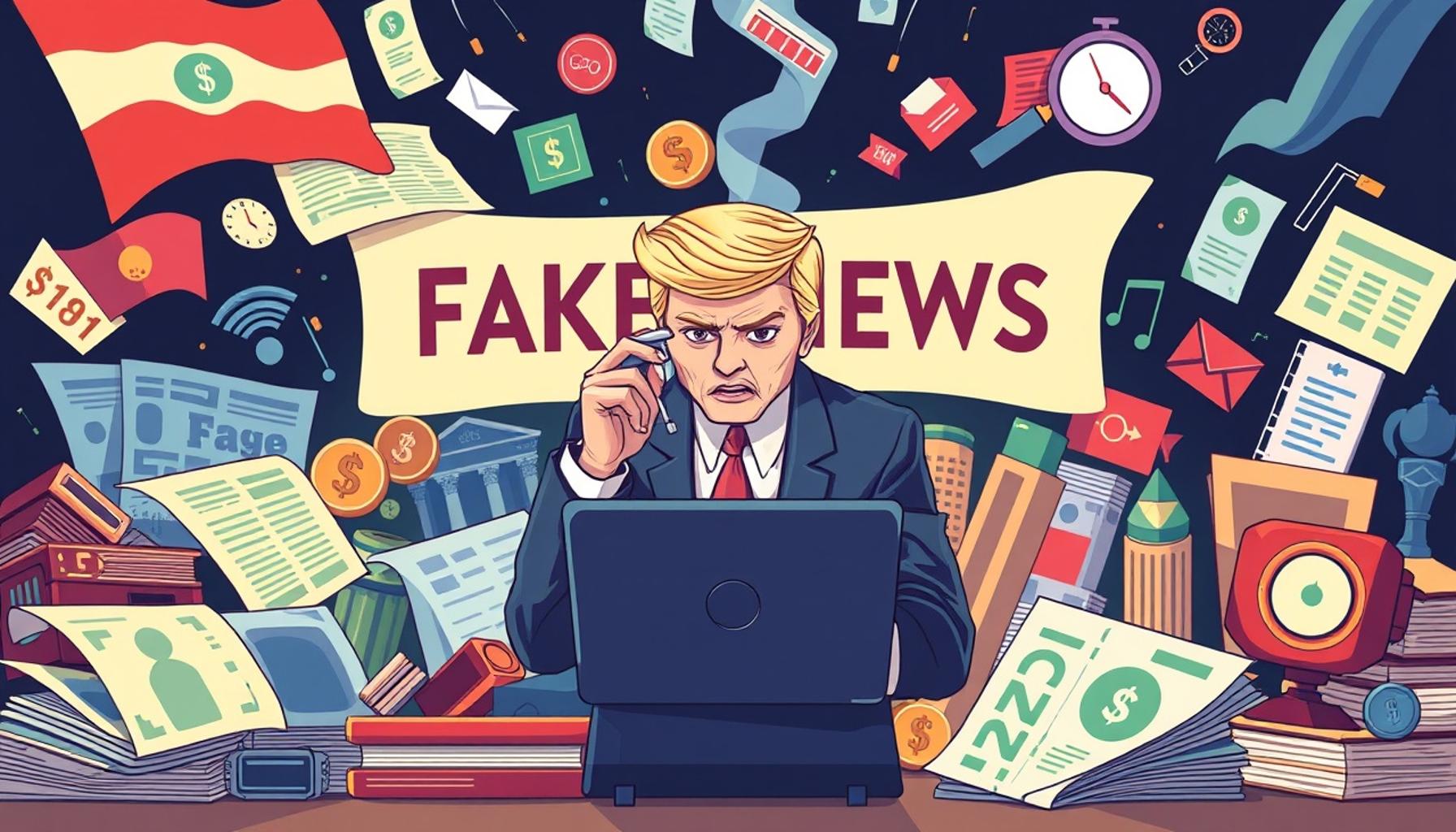
In the evolving digital landscape, the proliferation of disinformation and fake news has transformed how we interact with information. This is particularly relevant in the United States, where social media platforms like Facebook, Twitter, and Instagram serve as primary sources of news for millions. Unfortunately, these platforms become conduits for misleading content, which can significantly distort public understanding of critical issues.
Rapid Dissemination of False Information
One of the most concerning aspects of disinformation is its rapid dissemination. A false claim can spread like wildfire, reaching an untold number of users within minutes. For instance, during the COVID-19 pandemic, numerous unfounded theories regarding the virus’s origins and vaccines circulated widely on social media, often before credible scientific evidence could assess their validity. The speed at which disinformation travels can overwhelm the public’s ability to discern fact from fiction, resulting in widespread misinformation taking hold even after corrections have been issued.
Echo Chambers and Reinforcement of Beliefs
The phenomenon of echo chambers exacerbates this issue. Many users tend to engage primarily with content that aligns with their pre-existing beliefs, creating a feedback loop that reinforces false narratives. Social media algorithms often promote this behavior by suggesting similar content, which traps users in a bubble of information that shields them from differing perspectives. For example, discussions around political topics frequently exemplify this trend, where individuals inside a partisan group may accept misinformation as truth without critically evaluating opposing views, further polarizing opinions.
The Power of Visual Manipulation
Another avenue through which disinformation spreads is through manipulated images and videos. Visual media has a profound impact on our perceptions because it often invokes emotional responses. For instance, an altered image intended to misrepresent a political figure can be shared widely, influencing public sentiment before corrections can catch up. Users may fail to recognize these manipulations due to the persuasive nature of visual content, and what they see can shape their beliefs more forcefully than written text.
The Far-Reaching Consequences of Misinformation
The impact of this phenomenon is profound and multi-faceted. The erosion of trust in institutions results in decreased civic engagement, with individuals indifferent to news from sources once deemed reputable. This mistrust inevitably leads to the polarization of communities. When misinformation divides society, it becomes challenging to reach a consensus on important issues, which can stymie progress and create social tension.
Furthermore, the real-world consequences of acting on false information can be dire. Misguided public health decisions, such as vaccine hesitancy fueled by false narratives, can hinder efforts to protect community health. Similarly, misinformation related to elections can undermine democratic processes, leading to civil unrest and a misguided understanding of electoral outcomes.
Rebuilding Trust in Information Sources
As we navigate this complex landscape, fostering an understanding of how disinformation and fake news operate is crucial for the reconstruction of trust in our information sources. By promoting critical thinking and media literacy, we can empower individuals to analyze information critically and seek out reliable sources. Encouraging discussions about the origins of news and emphasizing fact-checking can also play significant roles in combating misinformation and rebuilding a more informed society.
DISCOVER MORE: Click here to dive into the future of interactivity
Understanding the Mechanisms Behind Disinformation
To effectively address the challenge of disinformation and fake news, it is pivotal to first comprehend the underlying mechanisms that enable their proliferation, especially through social media platforms. The seamless flow of information can be advantageous, but it also creates vulnerabilities that adversaries can exploit. Let’s delve into several key factors that contribute to the rise of disinformation in our digital society.
Algorithmic Amplification
At the heart of social media’s role in the spread of disinformation lie algorithms. These algorithms are designed to engage users by prioritizing content that garners high levels of interaction, such as likes, shares, and comments. Ironically, sensational or false news often tends to attract more attention than accurate reporting. As a result, social media platforms inadvertently amplify misleading information by placing it prominently in users’ feeds. A notable example includes the algorithms that propelled incendiary headlines during the 2016 U.S. presidential election, resulting in widespread exposure of misleading claims that shaped public opinion.
The Role of Influencers and Bots
Another significant component of the disinformation ecosystem is the use of influencers and automated accounts, commonly known as bots. Influencers leverage their large followings to disseminate information quickly, often without thorough fact-checking. Meanwhile, bots can artificially inflate the visibility of specific narratives, making them appear more credible. Here are a few ways their influence manifests:
- Pseudoscience Perspectives: Influencers may promote unverified health remedies during crises, leading individuals to make dangerous personal choices.
- Political Manipulation: Bots can artificially create trending topics that misrepresent public sentiment on political issues, skewing voter perceptions.
- Viral Hoaxes: Misleading viral posts can create confusion (such as rumblings of conspiracy theories), causing individuals to rally around unfounded beliefs.
Psychological Factors Influencing Belief in Falsehoods
The ease with which disinformation can take root is also influenced by several psychological factors. Cognitive biases play a significant role in shaping our perceptions of truth. For instance, the confirmation bias leads individuals to seek out information that corroborates their existing beliefs while disregarding contradictory evidence. This bias is particularly prevalent in politically charged discourses, where users often embrace narratives that align with their ideologies, irrespective of factual accuracy.
Moreover, the mere exposure effect posits that repeated exposure to false information can inadvertently instill belief in its veracity. As individuals encounter misleading posts multiple times, these ideas may come to seem more credible, ultimately influencing behavior and attitudes. This phenomenon can create a cycle where mere repetition bolsters misinformation, making it increasingly challenging for users to differentiate between fact and fiction.
The Urgency to Address Disinformation
As understanding grows about the mechanisms that fuel disinformation, it becomes clear that addressing this issue is essential for restoring trust in information sources. Cultivating media literacy skills is one way forward, enabling individuals to evaluate sources critically and understand the nuances of algorithms and psychological influences at play. The road to a more informed society is fraught with challenges, but by addressing these core aspects of disinformation, we can better equip ourselves to combat its harmful effects.
DISCOVER MORE: Click here to dive deeper
The Societal Impact of Disinformation
While the mechanisms by which disinformation propagates are crucial to understanding the issue, it is equally important to recognize the societal ramifications that arise from the pervasive nature of fake news. Disinformation significantly impacts public trust, leading to polarization, confusion, and a ultimately a diminished democratic process.
Polarization and Fragmentation of Public Discourse
The spread of disinformation on social media has contributed to a marked polarization in public discourse. As individuals gravitate towards content that aligns with their existing beliefs, social media platforms have facilitated the formation of echo chambers where dissenting views are seldom heard. This environment fosters resentment and hostility towards opposing ideologies, as users increasingly view those who disagree with them as threats. For instance, during the COVID-19 pandemic, false narratives around vaccination sparked intense divisions within communities, not only pitting pro-vaccine against anti-vaccine groups but also fracturing relationships among family and friends.
The Erosion of Trust in Institutions
The ability of disinformation to erode trust extends beyond interpersonal relationships. Institutions such as the media, government, and healthcare systems have suffered significant credibility losses because of the proliferation of false information. When citizens encounter conflicting narratives about critical issues—such as election integrity or public health measures—they may become skeptical of any information disseminated by these institutions. A survey conducted by the Pew Research Center in 2022 found that nearly 64% of Americans are concerned about the accuracy of the information they receive from news organizations, indicating a crisis of confidence that threatens the very foundations of democracy.
Public Consequences of Misinformed Decision-Making
Disinformation does not only influence opinions; it can also lead to dire real-world consequences. Decisions based on misinformation—ranging from health choices to political endorsements—can have devastating effects. For instance, misleading health information about COVID-19 treatment options led to individuals rejecting scientifically backed methods, resulting in increased rates of infection and death. Furthermore, disinformation surrounding voting has been shown to deter citizen participation in elections. According to research from the Knight Foundation, over 14% of voters reported they did not participate in the 2020 election due to misinformation regarding voter ID laws or eligibility requirements.
The Global Reach of Disinformation
No longer confined to domestic borders, the influence of disinformation has become a global issue. Various state and non-state actors have leveraged social media to spread false narratives that undermine democratic processes around the world. For instance, foreign interference in U.S. elections has raised alarm bells regarding the integrity of democracy, as misinformation campaigns targeting specific demographic groups have proven effective. A notable incident involved the 2016 U.S. presidential election, where Russian operatives utilized platforms like Facebook and Twitter to disseminate misleading information, sowing discord among the electorate and complicating national narratives.
As we continue to engage with social media, it becomes increasingly vital to recognize these broad societal impacts of disinformation. Addressing misinformation effectively requires collaborative efforts, not only among tech companies and governments but also from individuals who play a crucial role in redefining trust and accountability in our information ecosystem. Recognizing the effects of disinformation can empower users to take action, challenging the norms of engagement and promoting a more informed public discussion.
DIVE DEEPER: Click here to explore the impact of global connectivity</p
Conclusion
In summary, the prevalence of disinformation and fake news on social media poses a significant challenge to the trust that underpins democratic societies. As we have explored, the impact of disinformation extends beyond mere opinion shifts; it culminates in societal polarization, eroding trust in vital institutions, and leading individuals to make harmful decisions based on misinformation. This not only affects interpersonal relationships but also jeopardizes the integrity of democratic processes across the globe.
Furthermore, the rapid dissemination of false information fortified by algorithms designed to maximize engagement amplifies the stakes. For example, the recent trend of misinformation campaigns has illustrated how foreign actors exploit social media to influence public sentiment and disrupt electoral integrity, leaving lasting scars on the democratic fabric of nations like the United States.
However, there remain paths forward. Combating disinformation requires a multifaceted approach that involves not just tech companies and policy-makers but also each of us as consumers of information. By fostering media literacy and critical thinking, encouraging the verification of sources, and demanding greater accountability from social media platforms, we can begin to rebuild trust in our information landscape.
In this era of information overload, it is crucial for all individuals to recognize their role in challenging the normalization of disinformation. Together, we can promote a more informed and engaged public discourse, ultimately safeguarding our democratic institutions and societal well-being.

Maria Eduarda
Linda Carter is a writer and expert known for producing clear, engaging, and easy-to-understand content. With solid experience guiding people in achieving their goals, she shares valuable insights and practical guidance. Her mission is to support readers in making informed choices and achieving significant progress.