
The Pros and Cons of Credit Cards: How to Make Smart Financial Decisions
Understanding Credit Cards
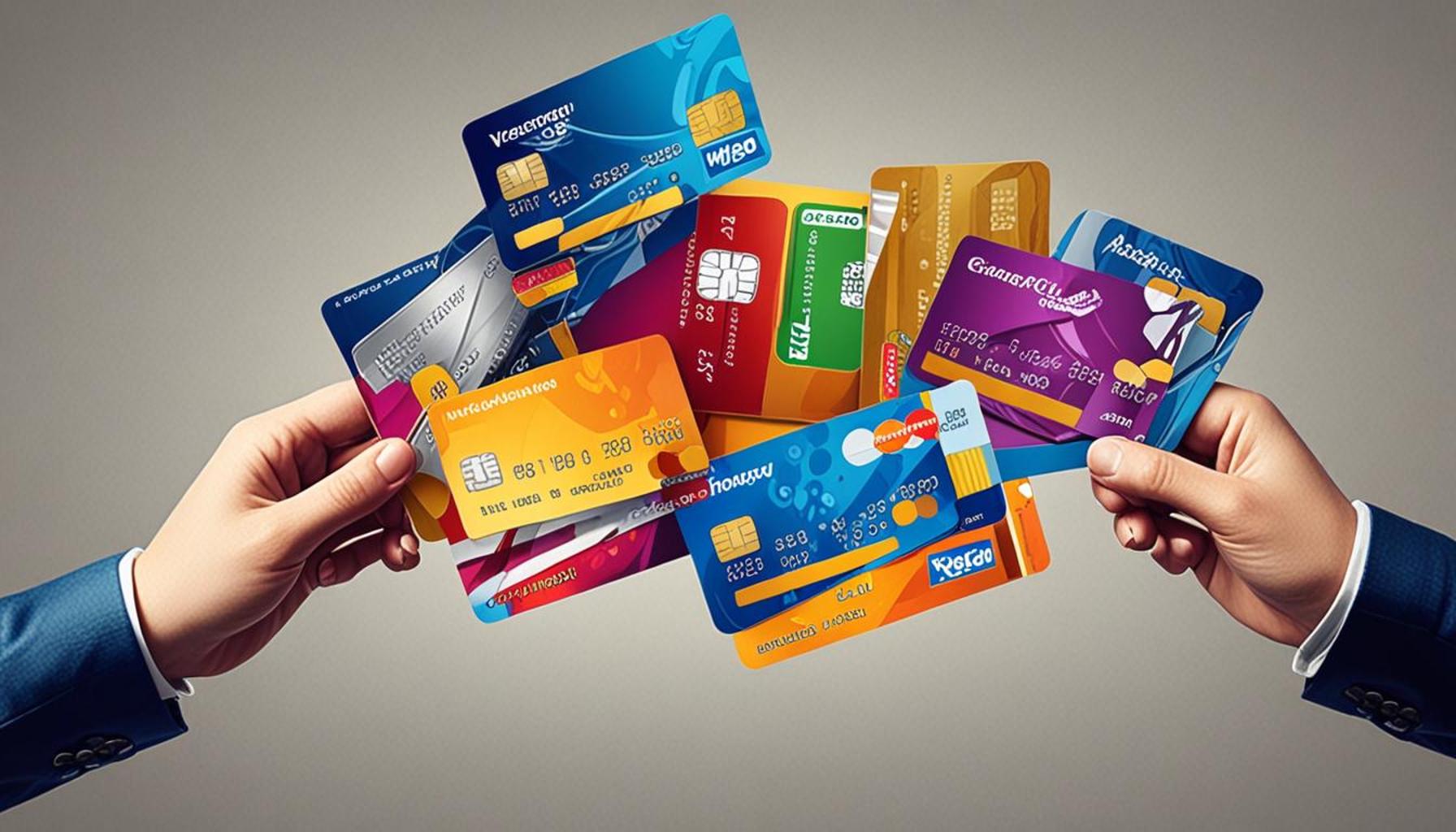
In the realm of personal finance, credit cards have cemented their place as a vital financial tool for millions of Americans. Their growing popularity can be attributed to the myriad of benefits they provide, as well as the financial flexibility they offer. However, potential pitfalls also lurk beneath the surface, necessitating a nuanced understanding of their mechanics. Properly navigating the complexities of credit card use can significantly enhance one’s financial well-being.
Benefits of Credit Cards
- Convenience in making purchases: Credit cards streamline the purchasing process, allowing consumers to buy products and services without the immediate need for physical cash. With the capability to make transactions online or in-store, they offer unparalleled convenience, especially in emergency situations. For instance, a sudden car repair can be charged to a credit card rather than disrupting cash flow.
- Building credit history and improving credit scores: Consistent and responsible usage of credit cards is essential for establishing a solid credit history, which is a determining factor when lenders evaluate an applicant’s creditworthiness. A higher credit score allows access to better interest rates on loans and mortgages. For example, individuals who pay their balance in full each month can significantly improve their credit scores over time, reflecting reliability and fiscal responsibility.
- Access to rewards programs, cash back, and discounts: Many credit cards come with attractive rewards programs that offer cash back or redeemable points on purchases. Consumers can earn rewards on everyday expenses, from groceries to gas, which can translate into savings or travel perks. For instance, a credit card offering 2% cash back on all purchases can provide substantial returns over time for a family that spends diligently on essentials.
Potential Downsides
- Risk of accumulating debt if not used responsibly: One of the most significant threats associated with credit card usage is the risk of overspending, leading to unmanageable debt levels. Individuals may find it easy to exceed their budget, resulting in financial strain. Statistics indicate that about 40% of American households carry credit card debt, which underscores the importance of responsible spending habits.
- High-interest rates on unpaid balances: Credit cards often come with steep interest rates on any balance that remains unpaid after the grace period, which can range from 15% to 25% APR or more. If a cardholder only makes the minimum payments, they may pay significantly more in interest over time, ultimately negating any rewards earned. The high cost of interest can create a cycle of debt that is challenging to escape.
- Fees for late payments and exceeding credit limits: Many credit cards impose fees for late payments or for exceeding established credit limits. These fees can further contribute to the debt cycle, making it more challenging for cardholders to regain financial stability. For example, a late payment fee can typically range from $25 to $39, depending on the issuer, exacerbating existing financial issues.
Navigating the Credit Landscape
Successfully navigating the credit card landscape involves a careful evaluation of these benefits and potential drawbacks. Gaining a comprehensive understanding of how credit cards operate empowers individuals to make informed choices that align with their financial objectives. In the sections that follow, we will delve deeper into effective strategies and best practices for managing credit cards responsibly, allowing readers to leverage the benefits while mitigating the risks associated with credit card usage.
Weighing the Advantages and Disadvantages
Understanding the dual nature of credit cards—both their strengths and weaknesses—is crucial for making prudent financial decisions. While credit cards offer extensive advantages, they can also lead to potential financial pitfalls if not managed wisely. Below, we explore both sides in more depth to enable consumers to make educated choices regarding their credit card usage.
Maximizing the Benefits
To harness the full potential of credit cards, it is essential to recognize and utilize the numerous benefits they offer. Here are several key advantages that make credit cards a beneficial component of financial management:
- Emergency flexibility: Credit cards can serve as a safety net in emergencies when immediate cash is required. Their availability can provide peace of mind, knowing that one can access funds in unexpected situations such as medical emergencies or urgent home repairs.
- Purchase protection: Many credit cards come with built-in protection features that safeguard purchases against theft or damage. For instance, some cards offer extended warranties or price protection, which can be invaluable when making significant investments in electronics or luxury items.
- Travel benefits: Many credit cards provide travel-related perks such as no foreign transaction fees, travel insurance, or access to airport lounges. These benefits can enhance the travel experience and reduce overall costs for frequent travelers, making credit cards an essential tool for globetrotters.
- Financial tracking: Credit cards can simplify budgeting and expense tracking, as they provide monthly statements that outline spending. This transparency can help consumers evaluate their spending patterns and adhere to budgets more effectively.
Recognizing the Risks
On the flip side, potential downsides exist that must be taken into account before diving into credit card usage. Being acutely aware of these challenges can help individuals avoid detrimental financial consequences.
- Emotional spending: Credit cards may normalize impulsive purchases, often leading consumers to buy items they may not need. This behavior can overshadow budgeting principles and lead to overspending, which subsequently results in debt accumulation.
- Effects of credit inquiries: Each time an individual applies for a credit card, a hard inquiry is recorded on their credit report, temporarily lowering their credit score. Frequent applications can signal financial instability to potential lenders, resulting in unfavorable terms on future loans.
- Complex repayment structures: Understanding the intricacies of credit card agreements can be daunting. They often include various fee structures, grace periods, and interest rates that can confuse consumers. Failing to comprehend these details might inadvertently lead to financial miscalculations.
As we delve deeper into effective financial strategies in managing credit cards, it becomes increasingly evident that striking a balance between utilizing their advantages while mitigating associated risks is paramount. Informed decisions around credit card usage can play a crucial role in nurturing a sound financial future.
Smart Usage Strategies to Optimize Credit Card Benefits
To fully leverage the advantages of credit cards while minimizing risks, consumers must adopt a strategic approach to credit card management. Implementing targeted practices can help ensure that credit cards remain a valuable financial tool rather than a source of stress.
Establishing a Budget
A well-defined budget is the cornerstone of effective credit card usage. By allocating a specific amount of money for discretionary spending each month, consumers can control their credit card expenditures. Utilizing budgeting apps or financial planning tools can further enhance this process, enabling users to track their credit card transactions in real-time and maintain adherence to their budgets.
Timely Payments
One of the most crucial factors in managing credit card debt is ensuring timely payments. By paying off the full balance each month, individuals can avoid accumulated interest and maintain a favorable credit score. Setting up automatic payments or reminders can support consistent on-time payment behavior, which is essential to circumventing late fees and interest charges.
Understanding Interest Rates and Fees
Each credit card has its own set of interest rates, fees, and repayment terms. It is essential for cardholders to monitor these variables closely. For example, some cards offer promotional 0% APR for an introductory period, while others may have high-interest rates. Knowing these details allows consumers to make informed decisions about when to make larger purchases and how to effectively manage their repayments. Additionally, being mindful of potential fees such as annual fees or foreign transaction fees ensures that users do not lose track of their spending.
Utilizing Rewards Wisely
Many credit cards come with rewards programs that can yield significant benefits when used strategically. Consumers should consider their spending habits to select a rewards card that aligns with their lifestyle, whether that be travel rewards, cashback options, or points redeemable for merchandise. However, it is crucial to avoid a mindset where one makes unnecessary purchases simply to earn rewards. Careful evaluation of reward programs can lead to maximizing benefits without compromising financial health.
Monitoring Credit Utilization
Credit utilization, or the ratio of credit card balances to credit limits, plays a significant role in determining credit scores. Keeping utilization below 30% is generally recommended to maintain a good credit score. Regularly reviewing credit statements not only keeps utilization in check but can also alert consumers to any discrepancies or unauthorized charges. Utilizing multiple cards to spread out expenses can also aid in keeping individual card utilization rates low.
Seeking Financial Education
Investing time in financial education can bolster consumers’ understanding of credit card mechanics and fiscal management. Various resources, including workshops, webinars, and reputable online platforms, offer valuable insights into effective credit card utilization, risk assessment, and overall financial literacy. By equipping themselves with knowledge, consumers can navigate the complexities of credit cards more effectively and make more informed financial choices.
By implementing these practical strategies, consumers can maximize the advantages of credit cards while minimizing their accompanying risks. Understanding and utilizing credit cards in a judicious manner is essential for promoting sustainable financial health in today’s society.
Conclusion
In conclusion, understanding the pros and cons of credit cards is essential for consumers looking to make informed financial decisions. The potential benefits of credit cards, such as building credit history, earning rewards, and managing cash flow, are significant. For example, timely payments on credit cards contribute positively to one’s credit score, which can facilitate future loans with lower interest rates. Moreover, many credit cards offer cash back on purchases or points that can be redeemed for travel, providing additional incentives for responsible use.
However, these advantages must be weighed against the risks associated with credit cards. Consumers must be cautious of accumulating debt, especially since high-interest rates can significantly increase the amount owed over time. A case in point is a balance of $5,000 on a credit card with a 20% annual percentage rate (APR). If only the minimum payment is made monthly, it could take several years to pay off the balance, resulting in thousands of dollars in interest charges. Additionally, mismanagement of credit cards can lead to damage to credit scores, impacting an individual’s ability to secure favorable financing terms in the future.
To fully harness the advantages of credit cards while mitigating their downsides, implementing sound financial practices is crucial. Establishing a budget that incorporates both essential expenses and discretionary spending can help cardholders maintain control over their finances. Making timely payments is equally important, not only to avoid late fees but to keep credit scores intact. Utilizing rewards wisely—shopping within categories that earn higher rewards—can optimize card benefits while minimizing unnecessary expenditures.
Moreover, educating oneself about the intricacies of credit cards, including fees, interest rates, and terms of use, is a critical step toward effective financial management. Understanding the nuances of these financial tools allows consumers to make decisions that align with their economic realities. For instance, reading the fine print on promotional offers can unveil important details that affect overall costs and benefits.
Ultimately, a proactive and informed approach to credit card use can pave the way for enhanced financial health. By recognizing both the potential and the pitfalls of credit cards, individuals can navigate the credit landscape confidently. This involves not just using credit wisely, but also actively monitoring spending habits and adapting strategies as necessary, ensuring that they leverage the benefits while avoiding unnecessary pitfalls.
Related posts:
Carnival World Mastercard: Everything You Need To Know
Upgrade Triple Cash Rewards Visa: Maximizing Your Financial Benefits
United Business Card: Everything You Need to Know
HSBC Premier World Mastercard: Your Ticket to a World of Financial Advantages
The Differences Between Credit Cards and Debit Cards: Which is the Best Option for You?
How to Build Credit History from Scratch in the United States

Linda Carter is a writer and expert in finance and investments. With extensive experience helping individuals achieve financial stability and make informed decisions, Linda shares her knowledge on the Your Finanças platform. Her goal is to provide readers with practical advice and effective strategies to manage their finances and make smart investment choices.