
Impact of the elections in the USA on the national economy
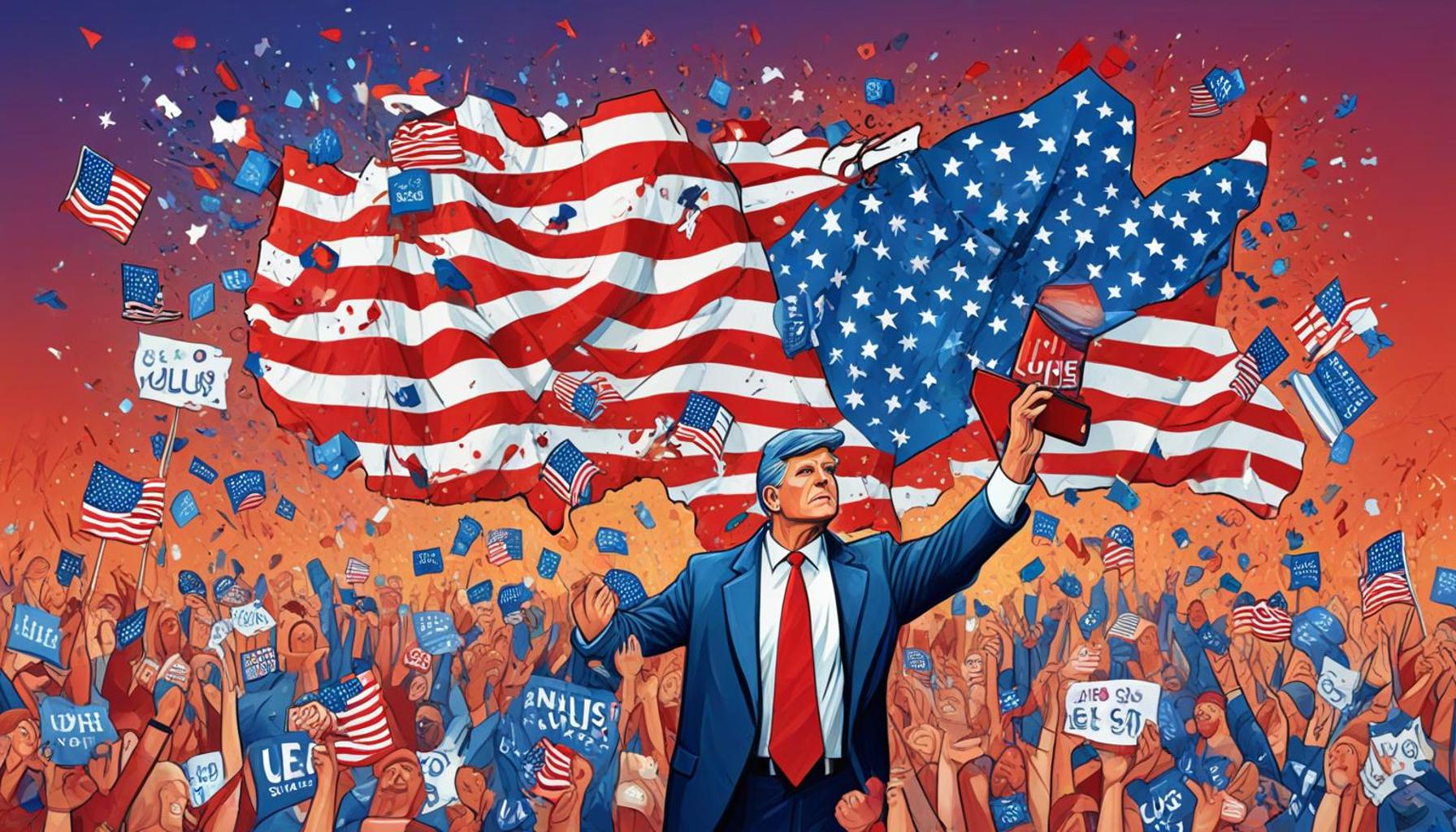
The Intricate Link Between Politics and Economic Performance
The interrelationship between political elections and the national economy in the United States reveals a complex web of factors that can drive or impede economic progress. As voters prepare to cast their ballots, the implications of their choices become a focal point of political discourse among analysts, economists, and citizens alike. The outcomes of elections can catalyze profound changes in governmental policies, which ultimately shape fiscal strategies, regulatory norms, and the stability of financial markets.
Several key areas emerge as critical to understanding this relationship:
- Tax Policies: The modification of tax laws can have an immediate impact on disposable income, which inversely affects consumer spending. For instance, a proposed tax cut intended to stimulate the economy may increase household spending, while higher taxes could tighten budgets and suppress consumption. In 2017, the Tax Cuts and Jobs Act significantly lowered corporate tax rates, which proponents argued would drive job creation and wage growth. However, the long-term effects on middle-class income and fiscal equity continue to be hotly debated.
- Government Spending: The outcomes of elections also dictate budgetary priorities for essential sectors like healthcare, education, and infrastructure. A candidate advocating for increased healthcare funding might lead to expanded access to services, influencing costs for consumers and impacting public health outcomes. Alternatively, austerity measures may hinder growth in these critical areas. For instance, the federal response to the COVID-19 pandemic, with significant spending on stimulus packages, illustrates how elections can pivot fiscal priorities toward urgent public health needs.
- Market Confidence: Political stability tends to foster investor confidence, which greatly influences stock markets and the inflow of foreign investments. A clear electoral mandate provides businesses and investors with a predictable policy environment, allowing them to make informed decisions about capital expenditures. Conversely, a contentious election or uncertainty regarding election outcomes can lead to market hesitance, as seen in the volatility observed during the weeks ahead of the 2020 presidential election.
Historically, the results of elections have shown a wide array of economic repercussions:
- Stock Market Reactions: Stock markets frequently experience fluctuations prior to elections, often reacting to polls and forecasts of probable winners. Post-election trends can either rally if markets approve of the new administration’s policies or decline if uncertainty looms. For example, the significant market rally following Biden’s victory in 2020 was driven by optimism for new COVID-19 stimulus initiatives.
- Economic Growth Rates: Leadership changes have the potential to either nurture or stifle economic expansion based on the implemented policies and regulatory environment. Studies have suggested that Republican administrations often see different growth trajectories compared to Democratic ones, sometimes reflecting the philosophical divides on market intervention and taxation.
- Unemployment Rates: Election-driven policy decisions can have profound effects on job development and overall unemployment statistics. For example, minimum wage laws, labor regulations, and incentives for specific industries implemented following elections can dramatically shape the job market and alter unemployment trends over time.
Recognizing these dynamics is pivotal for investors, policymakers, and citizens navigating the complexities of political and economic landscapes. As the political climate evolves and shifts, the associated economic implications underscore the need for informed decision-making, illustrating that the consequences of elections extend far beyond the immediate political arena, influencing the economic blueprint of the United States for years to come.
CHECK OUT: Click here to explore more
Key Economic Drivers Influenced by Election Outcomes
The impact of elections on the national economy transcends immediate political outcomes; it lays the groundwork for long-term economic policies and strategies that shape the financial landscape of the nation. A thorough analysis reveals several economic drivers that are greatly influenced by election results, establishing a correlation between political choices and economic performance.
Policy Direction: Elections often serve as a referendum on policy direction, with voters effectively choosing between differing economic philosophies. For instance, Democratic candidates frequently advocate for increased regulatory oversight and progressive taxation aimed at wealth redistribution, while Republican candidates tend to prefer minimal regulation, lower taxes, and market-driven solutions to economic challenges. These divergent approaches can have lasting effects on areas such as business development, consumer behavior, and market dynamics. Historical voting patterns indicate that periods of Democratic governance have correlated with increased regulatory frameworks, impacting industries from finance to environmental sectors.
- Consumer Confidence: The economic policies proposed by candidates directly influence consumer sentiment. A clear and coherent policy agenda often boosts consumer confidence, which is essential for economic growth. The University of Michigan’s Consumer Sentiment Index has shown that confidence levels spike following elections in which the populace feels optimistic about future economic policies. In contrast, contested elections or ambiguous policy proposals may lead to decreased consumer spending, potentially stunting growth.
- Investment Trends: Investor behavior is closely tied to electoral outcomes. An election that results in a governance shift towards business-friendly policies can lead to significant capital inflow, especially in sectors like technology and energy. According to a study published by the National Bureau of Economic Research, stock prices have exhibited notable responsiveness to changes in administration, with immediate gains in sectors perceived to benefit from favorable policies. Conversely, policies perceived as detrimental—such as increased regulation or tax hikes—can result in sharp sell-offs in pertinent sectors.
- Interest Rates: The Federal Reserve’s decisions on interest rates can also be influenced by the political landscape post-election. A government that prioritizes expansive fiscal policies may lead the Fed to adopt more accommodative monetary policies, keeping interest rates low to stimulate economic activity. In periods following decisive electoral victories, historically, the Fed has adjusted interest rates, either to cushion the economy or to stave off inflation, depending on the prevailing economic conditions.
Understanding the implications of these economic drivers is crucial for businesses and consumers alike as they navigate uncertain waters during election years. As candidates campaign and eventually transition into governance, the potential shaping of these essential components of the economy becomes increasingly pronounced. The outcomes of elections are not mere markers of political preference; they resonate deeply across the financial strata of the nation, compelling stakeholders to digest the nuanced economic narratives behind each electoral decision.
CHECK OUT: Click here to explore more
Macroeconomic Indicators and Election Cycles
The influence of elections on the national economy is further evidenced by the interconnection with various macroeconomic indicators, which serve as bellwethers for future financial health. These indicators—such as GDP growth, unemployment rates, and inflation—often react to electoral outcomes and the pathways established by new administrations. Assessing these trends provides valuable insights into how political dynamics can fundamentally alter economic trajectories over time.
Gross Domestic Product (GDP) Growth: The electoral cycle has profound implications for GDP growth, with research indicating that GDP growth tends to fluctuate depending on the party in power. According to a study by the American Economic Association, the economy has historically performed better during Democratic administrations, with average annual GDP growth rates hovering around 4.6%, compared to 2.9% under Republican administrations. This disparity can be attributed to the differing fiscal policies enacted by each party, where Democrats often engage in greater government spending aimed at stimulating demand, whereas Republicans may prioritize austerity and tax cuts that can stifle public investment.
Unemployment Rates: The relationship between electoral outcomes and unemployment rates is another crucial aspect to consider. Labor market conditions can significantly improve or deteriorate based on party policies. For example, post-election periods that favor candidates promising job creation initiatives typically witness a decline in unemployment rates. Historical data from the Bureau of Labor Statistics indicates that job growth rates double under administrations that actively promote infrastructure and education investments compared to those focused solely on deregulation. This suggests that voting patterns directly correlate with job availability and labor market vitality.
- Inflation Trends: Inflation rates, a critical aspect of economic stability, are influenced by the policy environment shaped by election results. For instance, when administrations advocate for expansive fiscal policies—such as increased government spending and stimulus packages—these can drive inflation, particularly in periods of economic recovery. Conversely, tight fiscal policies typical of conservative administrations may lead to lower inflation rates. The Federal Reserve often adjusts its monetary policy stance, including interest rates, based on the inflationary pressures projected in the context of the political climate.
- Trade Policies: Elections also impact international trade policies, which have direct ramifications on domestic economic performance. Candidates’ stances on trade can influence tariffs, trade agreements, and relations with key trading partners. For instance, rising protectionist policies seen in certain recent administrations have resulted in a significant shift in trade patterns. The U.S. Census Bureau revealed a 40% decrease in trade with some international partners as a direct consequence of newly enacted tariffs, thereby impacting industries reliant on global supply chains.
- Public Sentiment and Spending: Beyond quantitative macroeconomic indicators, there’s an inherent qualitative aspect characterized by public sentiment tied to political outcomes. Surveys conducted by the Conference Board show that consumer spending aligns closely with electoral victories perceived as favorable for economic growth. Increased spending, especially in retail and services, can directly stimulate economic activity, enhancing GDP and potentially lowering unemployment rates.
The periodic evaluation of macroeconomic indicators reveals the integral role elections play in shaping the economic narrative of the United States. Each electoral cycle not only influences immediate market reactions but lays the groundwork for long-term structural changes that permeate various sectors of the economy. Voters, therefore, engage in a choice that ultimately affects not just their immediate financial circumstances but the broader economic landscape for years to come.
CHECK OUT: Click here to explore more
Conclusion
The impact of elections in the USA on the national economy is profound and multifaceted, shaping the trajectory of critical economic indicators such as GDP growth, unemployment rates, inflation, and trade policies. As established in the analysis, the correlation between the party in power and economic performance suggests that electoral outcomes can lead to significant changes in fiscal policies and growth strategies. For instance, Democratic administrations have historically overseen higher GDP growth rates, while employment patterns have shown marked improvement under policies focused on job creation.
Moreover, the ramifications extend beyond immediate economic metrics to public sentiment and consumer behavior, which are essential drivers of economic vitality. When citizens perceive a favorable electoral outcome, they are likely to increase spending, further stimulating economic growth. Conversely, protectionist trade policies can lead to detrimental effects on international trade, impacting sectors that rely on global markets.
Ultimately, understanding the relationship between political cycles and economic conditions is vital for voters, investors, and policymakers alike. Elections are not merely about political ideologies; they are decisive events that shape the financial landscape of the nation and influence the everyday lives of citizens. As the country approaches future elections, recognizing the stakes involved in these choices is essential, as they hold the power to either foster economic prosperity or provoke uncertainty.

Beatriz Johnson is a seasoned financial analyst and writer with a passion for simplifying the complexities of economics and finance. With over a decade of experience in the industry, she specializes in topics like personal finance, investment strategies, and global economic trends. Through her work, Beatriz empowers readers to make informed financial decisions and stay ahead in the ever-changing economic landscape.