
How the trade war impacts businesses in the USA
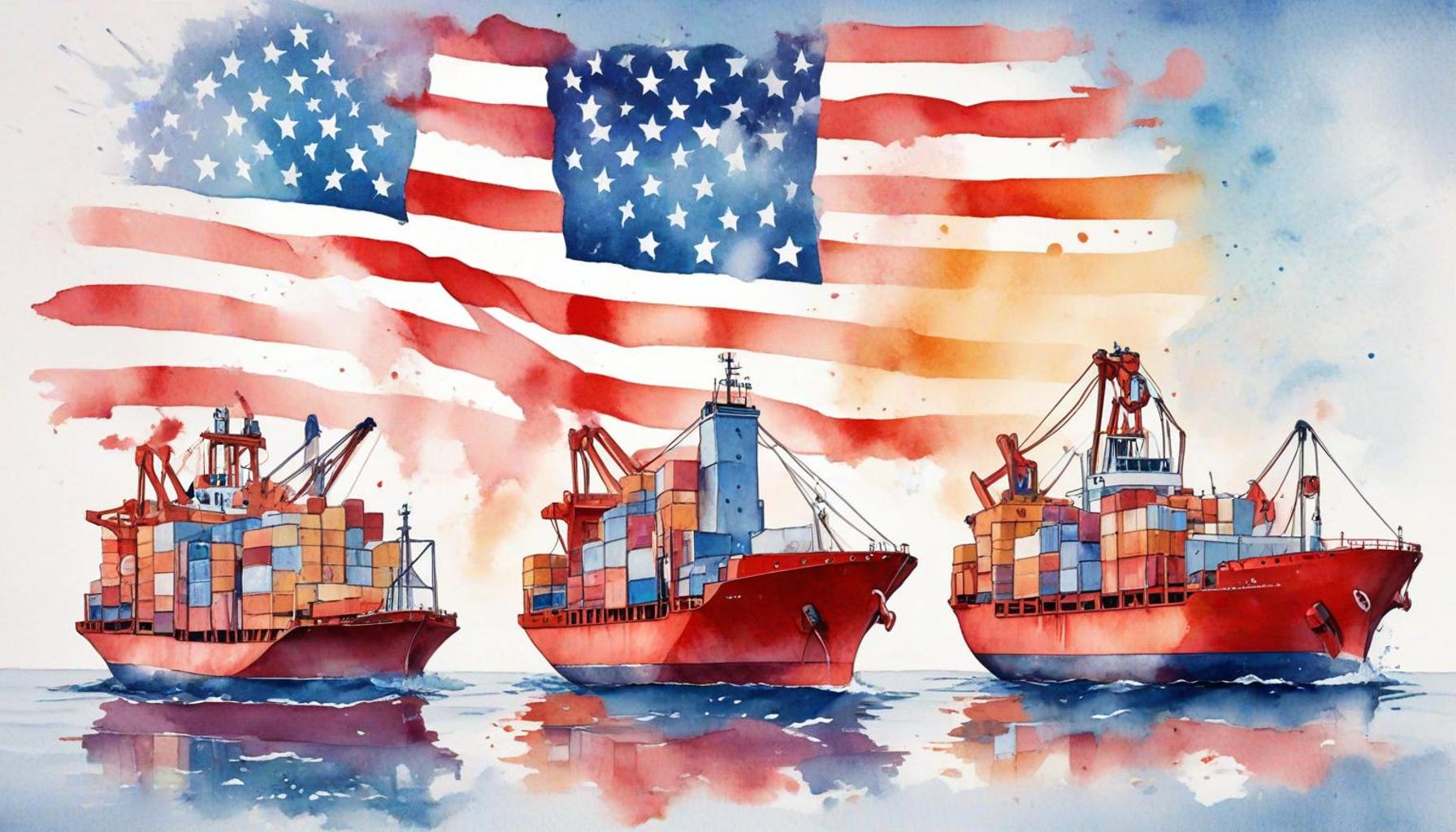
Understanding the Impact of the Trade War
The current dynamics of the U.S. economy are significantly influenced by the escalating trade war, which has highlighted the importance of international trade relations. Business owners and investors are navigating a landscape fraught with uncertainty as tariffs and trade barriers reshape how markets function. The repercussions are far-reaching, affecting not only the manufacturing sector but also consumer prices and overall economic growth.
Key Impacts of the Trade War
Several pressing impacts have crystallized as major consequences of the trade war:
- Increased Costs: Tariffs imposed on imported goods have substantially raised the expenses for manufacturers, who rely on foreign raw materials. For instance, the U.S. imposed tariffs of up to 25% on steel and aluminum imports, directly affecting industries such as automotive and construction. These costs often get passed down to consumers, resulting in higher prices for everyday products, from cars to canned goods.
- Supply Chain Disruptions: Companies that depend on global supply chains are facing significant challenges. The imposition of tariffs creates a ripple effect, causing delays and prompting companies to reassess their sourcing strategies. A notable example is the electronics industry, where many components are manufactured overseas. Tariffs disrupt the flow of these components, leading to production delays and increased costs.
- Market Uncertainty: The unpredictable nature of trade policies contributes to a climate of uncertainty. Companies are often hesitant to make long-term investments, as fluctuating tariffs can drastically alter the profitability of various projects. This is particularly evident among investors in the agricultural sector, where fluctuating policies affect future crop yields and export opportunities.
One illustrative scenario is the impact on the automotive industry. Heightened tariffs on steel and aluminum not only inflate production costs but also impact consumer prices. Automakers, facing increased overhead, may raise vehicle prices, which could dampen sales and slow market growth. On the agricultural front, U.S. soybean producers are experiencing a downturn due to retaliatory tariffs from countries like China, leading to reduced export volumes and lower profit margins.
Business Strategies in Response to Trade Challenges
As businesses grapple with these challenges, many are reformulating their strategies to remain competitive.
- Diversifying Supply Chains: Companies are increasingly looking for domestic alternatives to reduce their exposure to international risks. By sourcing materials locally, businesses can mitigate the impact of tariffs and avoid the complexities associated with overseas supply chains.
- Raising Prices: In response to increased costs, many companies are passing on these expenses to consumers. While this may help preserve margins, it can also lead to decreased demand, as consumers may be unwilling to pay higher prices for certain goods.
- Shifting Focus: Some sectors are pivoting their focus towards markets that are less affected by trade tensions. For example, technology firms may seek to expand in regions that offer more stable trade conditions, thereby reducing their dependence on U.S.-China relations.
In conclusion, as the impacts of the trade war continue to unfold, it is imperative for U.S. businesses to understand these complex changes. By assessing the nuanced effects on their operations and financial health, companies can make informed decisions to navigate this challenging landscape, ensuring stability and growth despite the uncertainty that lies ahead.
SEE ALSO: Click here to read another article
Adapting to Increased Production Costs
The trade war has fundamentally reshaped the economics of production in the United States. Businesses, particularly in the manufacturing sector, have been grappling with increased production costs stemming from tariffs on imported materials. For instance, the automotive industry, which relies heavily on steel and aluminum, has seen a significant uptick in expenses. According to a report from the National Automobile Dealers Association, the average cost of producing a vehicle has risen by approximately $1,200 due to these tariffs. This increment not only pressures manufacturers but also threatens their competitive edge in both domestic and international markets.
Moreover, the increased costs have a cascading effect on pricing strategies. As businesses strive to maintain profit margins, they are often compelled to pass on these costs to consumers. For example, an analysis by Kelley Blue Book suggested that higher material costs could result in car prices rising by an average of 3-5%. Such pricing maneuvers may lead to reduced demand, especially in a market where consumers are sensitive to price fluctuations.
Supply Chain Evaluations and Adjustments
The trade war has prompted many U.S. businesses to reassess their supply chains. Companies reliant on imported components are facing significant hurdles that require immediate strategic responses. A survey by the Institute for Supply Management indicated that over 75% of manufacturing firms have reported challenges stemming from supply chain disruptions tied to tariff changes. In response, many are reconsidering their sourcing strategies to mitigate risks.
- Nearshoring: To reduce tariffs and improve supply chain resilience, some companies are opting to shift their manufacturing closer to home. By relocating factories to Mexico or Canada, businesses can avoid hefty tariffs while benefiting from lower transportation costs.
- Investing in Domestic Production: An increasing number of firms are investing in domestic production capabilities. For example, companies like Apple have been ramping up manufacturing bases in the U.S. to bypass the uncertainties associated with overseas production.
- Supplier Diversification: Businesses are exploring a more diverse supplier base, thereby reducing dependency on single markets. A case in point is the electronics sector, which is diversifying its suppliers across multiple countries to safeguard against the risks posed by tariffs with China.
The recalibration of supply chains requires significant investment and strategic foresight. Nevertheless, companies that can effectively navigate these changes are more likely to not only weather the immediate impacts of the trade war but also emerge stronger in the long term.
Altered Investment Landscapes
Amidst the trade tensions, the overall investment climate in the U.S. has grown increasingly cautious. Many businesses are adopting a wait-and-see approach, pausing expansion plans and capital expenditures until there is greater clarity regarding future trade policies. The uncertainty surrounding tariffs has led to a decline in business confidence. A report by the Conference Board revealed that CEO confidence hit a two-year low as of late 2022, signaling concerns over potential recessions and the unpredictable costs of materials.
Ultimately, businesses are faced with tough choices that could dictate their long-term viability. The need for adaptability and strategic foresight has never been more pronounced. As they navigate these turbulent waters, organizations equipped with robust analysis and comprehensive strategies stand a better chance of mitigating risks and capitalizing on opportunities arising from the evolving trade landscape.
CHECK OUT: Click here to explore more
Shifts in Consumer Behavior
The ongoing trade war has also contributed to notable shifts in consumer behavior across various sectors in the United States. As tariffs have driven up prices on certain goods, consumers are becoming increasingly price-sensitive, often reevaluating their purchasing decisions. A survey conducted by Deloitte revealed that nearly 60% of consumers are now more inclined to seek out lower-priced alternatives, demonstrating a clear shift towards thriftiness in this economic context.
Brand Loyalty vs. Cost Sensitivity
This erosion of brand loyalty creates a fascinating juxtaposition for businesses. While brands often rely on established loyalty to retain customers, the current economic pressures have forced consumers to consider cost over brand reputation. A process known as trading down is becoming more prevalent, where consumers opt for cheaper, potentially lesser-known brands in lieu of premium products. For example, the U.S. food retail sector has witnessed extraordinary growth in discount grocery chains, with stores like Aldi and Lidl expanding rapidly, driven by consumers looking to save money.
In this environment, businesses must engage in market segmentation strategies that effectively address diverse consumer needs. By identifying the price sensitivity of various customer segments, companies can tailor their offerings accordingly. For instance, luxury brands that traditionally dominated market share are now innovating strategies that include lower-priced product lines to capture a broader customer base. A case study from the fashion industry shows that even high-end labels are launching diffusion lines to cater to budget-conscious shoppers, thereby attempting to retain market relevance in a shifting landscape.
Innovation and Product Development
The strain caused by increased operational costs and fluctuating consumer preferences has prompted firms to ramp up innovation and rethink product development processes. In an effort to protect margins while maintaining customer loyalty, companies are diverting resources towards research and development. For example, the tech industry has seen major players investing substantially in new technologies that promise to optimize production efficiency and reduce costs. According to a report by the Boston Consulting Group, businesses that focus on innovation during periods of economic uncertainty are 50% more likely to achieve superior growth compared to their less innovative counterparts.
The automotive sector, in particular, is witnessing a surge in innovation driven by the dual forces of tariffs and changing consumer expectations regarding sustainability. Automakers are investing heavily in electric vehicles (EVs) as a means to align with both regulatory pressures and consumer desire for environmentally friendly options. Tesla, for instance, has seen a marked increase in market share, partly attributable to proactive investments in EV technology. Such advancements not only address tariff-induced cost hikes by reducing dependency on foreign materials but also cater to the increasing consumer preference for sustainable products.
- Research Collaborations: Companies are forming strategic partnerships with universities and research institutions to foster innovation. These collaborations can lead to breakthroughs in materials science, enabling businesses to find cost-effective substitutes for imported components.
- Agile Product Development: The trade war has necessitated a more agile approach to product development, allowing businesses to respond quickly to market shifts. Companies are adopting flexible manufacturing systems that enable rapid product iteration and responsiveness to consumer needs.
The trade war’s ripple effects extend into the consumer realm, compelling U.S. businesses to recalibrate both their strategic approaches and operational models to remain competitive in a turbulent economic atmosphere.
CHECK OUT: Click here to explore more
Conclusion
In summary, the ongoing trade war has significantly reshaped the landscape for U.S. businesses, impacting operational strategies, consumer behavior, and overall market dynamics. With increasing tariffs leading to greater costs for imported goods, companies are compelled to adapt to a more price-sensitive consumer base. According to recent research, this sensitivity to pricing has prompted a shift towards lower-cost alternatives, thereby pushing brands to revisit their loyalty strategies and potentially expand their product offerings to appeal to budget-conscious shoppers.
Furthermore, the trade war has catalyzed a wave of innovation and disruption across various sectors. As businesses seek to mitigate heightened operational costs and fluctuating demand, the focus has increasingly turned towards research and development, showcasing that firms prioritizing innovation are over twice as likely to achieve robust growth. The automotive and technology industries provide notable examples of how strategic investments in sustainability and efficiency can align with both regulatory pressures and evolving consumer preferences.
Ultimately, the interplay of these factors calls for a nuanced understanding of market segmentation and consumer dynamics. As businesses navigate this complex environment, the ability to pivot quickly and leverage collaborative strategies will be critical in sustaining competitive advantage. The trade war, while presenting myriad challenges, also offers an opportunity for companies to reassess their practices, innovate more effectively, and meet the demands of an increasingly discerning customer base. Continued vigilance and adaptability will be essential for businesses aiming to thrive in an ever-changing economic context.
Related posts:
The future of investments in artificial intelligence and automation
Popular no-annual-fee credit cards in the USA in 2025
10 Lower-Risk Investments to Consider
Analysis of the impact of interest rates on investment strategies in 2023
Analysis of real estate investments: opportunities and challenges in the current market
The Pros and Cons of Investing in Cryptocurrency

Beatriz Johnson is a seasoned financial analyst and writer with a passion for simplifying the complexities of economics and finance. With over a decade of experience in the industry, she specializes in topics like personal finance, investment strategies, and global economic trends. Through her work, Beatriz empowers readers to make informed financial decisions and stay ahead in the ever-changing economic landscape.