The Role of Cybersecurity in Sustaining the Global Internet
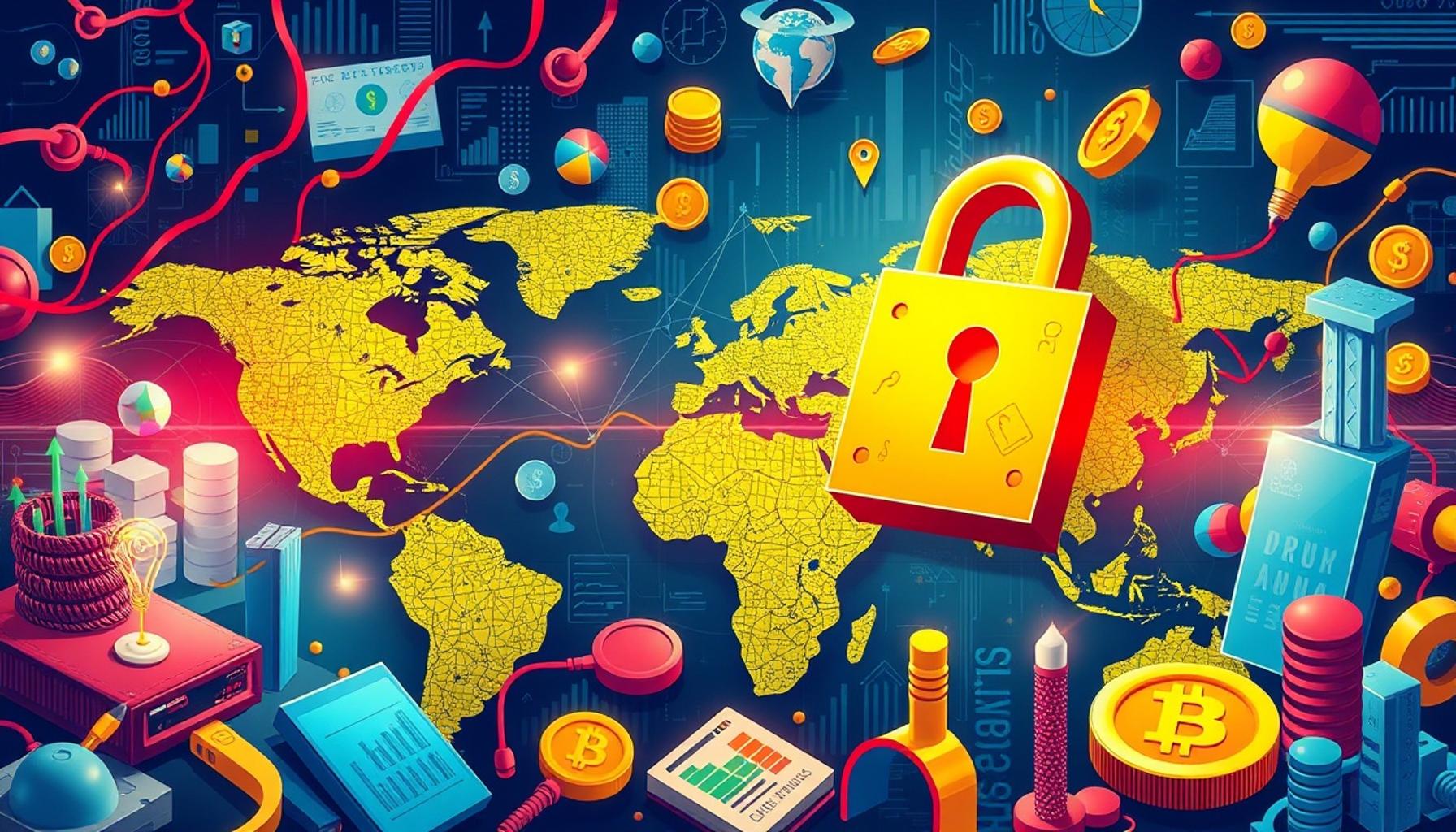
The Importance of Cybersecurity in Our Modern World
In the complex ecosystem of the Internet, cybersecurity is vital for maintaining stability and integrity. Every day, individuals and businesses engage in countless online activities, such as shopping, banking, and social networking. As they navigate this digital landscape, the protection of their sensitive data becomes paramount. In the absence of strong cybersecurity measures, users are increasingly exposed to a myriad of cyber threats, which can have devastating consequences.
Understanding Cyber Threats
The impact of cyber threats extends far beyond individual users, affecting our economy, personal lives, and public trust in digital systems. Here are some critical aspects to consider:
- Economic Stability: Cyberattacks can lead to catastrophic financial losses for businesses. For instance, a survey from Cybersecurity Ventures estimated that global cybercrime damages would reach $6 trillion annually by 2021. These attacks can disrupt operations, leading to loss of customer confidence and damage to brand reputation, which can be even more difficult to recover.
- Data Privacy: With increasing digital interactions, personal information such as Social Security numbers, credit card details, and medical records are often stored online. A breach can lead to identity theft, putting individuals at risk of financial ruin and emotional distress. For example, the 2017 Equifax data breach compromised the personal information of approximately 147 million consumers, demonstrating just how detrimental data exposure can be.
- Public Trust: When a major breach occurs, it not only affects the company involved but also erodes public confidence in online platforms. This decline in trust can lead to decreased engagement in e-commerce, hindering the growth of businesses that rely on digital transactions. The downfall of a notable brand due to a cyber incident can create long-lasting reputational damage.
The Growing Dependence on Technology
As we increasingly rely on cloud services, Internet of Things (IoT) devices, and flexible remote work options, it becomes essential to implement robust cybersecurity frameworks. Businesses must proactively safeguard their systems to fend off ever-evolving threats. The United States has seen a marked increase in cyber incidents, with high-profile hacks dominating headlines and emphasizing the need for both individuals and organizations to prioritize protection.
Best Practices for Cybersecurity
To foster a safer online environment, understanding and embracing effective cybersecurity practices is crucial. Simple steps like using strong, unique passwords, enabling two-factor authentication, regularly updating software, and being wary of suspicious emails can significantly reduce the risk of a cyber attack. Additionally, organizations should invest in training employees about identifying phishing attacks and understanding data privacy regulations.
In this article, we will explore how cybersecurity is not merely an IT concern but a fundamental component of a well-functioning digital society. We will delve into various dimensions of cybersecurity, examine the challenges posed by emerging threats, and highlight practical best practices for mitigating risks. By comprehending these elements, we can collectively work towards creating a more secure online landscape for everyone.
DISCOVER MORE: Click here to learn about the rise of social e-commerce
The Essential Role of Cybersecurity in the Digital Age
As the backbone of modern communication, commerce, and information exchange, the global Internet thrives on a foundation of trust and security. Every device that connects to the Internet introduces new vulnerabilities and potential points of failure, making cybersecurity an essential pillar in sustaining its overall structure. Without it, the very functionality of the Internet would be jeopardized, exposing individuals and organizations to malicious attacks, data breaches, and loss of privacy.
The Costs of Cyber Insecurity
The ramifications of inadequate cybersecurity measures can be profound, impacting not just individual users but entire economies. Understanding the costs associated with cyber insecurity can highlight the urgent need for enhanced protection:
- Financial Impact: Cyber incidents can lead to significant financial repercussions for businesses, particularly small and medium-sized enterprises (SMEs). A successful cyberattack can drain resources through ransom payments, recovery costs, and legal fees. The average cost of a data breach in the United States is estimated to be around $3.86 million, according to the Ponemon Institute, underlining just how costly cyber inaction can be.
- Infrastructure Vulnerability: Critical infrastructures such as power grids, water supply systems, and transportation networks increasingly rely on digital technologies. Vulnerabilities in these systems pose severe risks not only to business operations but also to public safety. The 2021 Colonial Pipeline ransomware attack is a prime example where a cyber incident led to fuel shortages and economic disruption across multiple states.
- The Ripple Effect: Cyberattacks can have cascading impacts that extend far beyond the targeted organization. Consider how the 2020 SolarWinds cyberattack affected numerous federal agencies and private firms across the globe. Such widespread repercussions reinforce the notion that every entity in the digital ecosystem must remain vigilant, as the fallout can affect entire industries and disrupt essential services.
Strengthening Cyber Resilience
As our reliance on technology deepens and digital transformation accelerates, adopting a proactive approach to cybersecurity is vital. Organizations must implement comprehensive cybersecurity strategies that not only defend against immediate threats but also build resilience for future challenges. This includes:
- Regular Assessments: Conducting routine security assessments can help identify vulnerabilities within systems before they can be exploited. Organizations should engage in penetration testing and vulnerability scanning to uncover potential weaknesses.
- Incident Response Planning: A well-defined incident response plan equips businesses to respond quickly and efficiently to cyber incidents. By anticipating possible attack vectors and preparing for effective communication, organizations can minimize damage and recovery time.
- Collaboration and Information Sharing: Establishing partnerships and networks among industry peers can stimulate knowledge sharing regarding threats and effective defenses. Initiatives led by governmental bodies, such as the Cybersecurity and Infrastructure Security Agency (CISA), aim to promote collaboration in identifying and mitigating risks on a national level.
In essence, cybersecurity is not just a requirement but a collective responsibility that extends to every user, whether they are a corporate giant, a small business, or an individual consumer. By prioritizing cybersecurity, we not only protect ourselves but also fortify the entire Internet against the array of threats that seek to compromise its integrity.
DIVE DEEPER: Click here to learn more about the rise of cybercrime
Building a Culture of Cybersecurity Awareness
In addition to technical measures, promoting a culture of cybersecurity awareness is fundamental to enhancing the overall security posture of the digital ecosystem. Many cyberattacks leverage human error as a primary vulnerability point, making education and awareness critical components in the fight against cyber threats.
Educating the Workforce
Organizations must prioritize cybersecurity training for their employees to prevent social engineering attacks, such as phishing attempts. For instance, a study from IBM revealed that nearly 95% of cybersecurity breaches are caused by human error. By creating comprehensive training programs that cover essential topics, such as recognizing suspicious emails or managing strong passwords, companies can turn their workforce into a resilient defense against cyber threats.
The Role of Public Awareness Campaigns
On a broader scale, public awareness campaigns can help individuals understand the importance of cybersecurity in their daily lives. Government agencies, such as the Federal Bureau of Investigation (FBI) and the Cybersecurity & Infrastructure Security Agency (CISA), regularly run initiatives like National Cybersecurity Awareness Month to educate citizens about potential cyber threats and promote safe online practices. By reinforcing simple actions, like enabling two-factor authentication and avoiding public Wi-Fi for sensitive transactions, these campaigns empower individuals to protect themselves in the digital space.
The Importance of Regulations and Standards
Regulatory frameworks and industry standards play a critical role in shaping cybersecurity practices. The Health Insurance Portability and Accountability Act (HIPAA), for example, mandates that healthcare organizations implement stringent safeguards to protect sensitive patient information. Compliance with such regulations not only ensures better security but also builds consumer trust, as users are more likely to engage with businesses that demonstrate a commitment to protecting their data. Additionally, frameworks like the National Institute of Standards and Technology (NIST) Cybersecurity Framework provide organizations with structured guidelines to develop robust cybersecurity programs, thereby enhancing overall readiness against attacks.
Investing in Advanced Technologies
As cyber threats evolve, so must the strategies and technologies employed to combat them. Organizations should consider investing in advanced cybersecurity technologies like artificial intelligence (AI) and machine learning (ML), which can analyze vast amounts of data to identify anomalies and potential threats in real time. For instance, AI-driven security solutions can detect unusual user behavior, indicating a possible breach before significant damage occurs. By integrating these technologies into their security strategies, organizations can bolster their defenses and stay one step ahead of cybercriminals.
Cybersecurity in the Supply Chain
Lastly, a comprehensive cybersecurity approach must account for the entire supply chain. Many businesses rely on third-party vendors for various services, which can introduce additional vulnerabilities. The 2020 SolarWinds breach underscored the need for organizations to assess the cybersecurity practices of their partners, as a weak link can compromise the integrity of the entire system. Implementing thorough vendor assessments and contract stipulations that mandate compliance with cybersecurity standards are essential steps toward mitigating supply chain risks.
Ultimately, enhancing cybersecurity goes beyond technical defenses; it requires a multifaceted approach encompassing education, regulation, investment in technology, and a commitment to understanding and managing supply chain vulnerabilities. By fostering an environment where cybersecurity is prioritized across all aspects of digital engagement, we can effectively safeguard the global Internet and its myriad users from ongoing cyber threats.
DISCOVER MORE: Click here to dive deeper
Conclusion: Safeguarding Our Digital Future
In conclusion, the role of cybersecurity in sustaining the global Internet cannot be overstated. As we navigate an increasingly interconnected world, the implications of cyber threats span across individuals, businesses, and entire nations, affecting the very fabric of our digital society. With cyberattacks becoming more sophisticated, it is imperative that we take a comprehensive approach to cybersecurity.
By investing in education and fostering a culture of cybersecurity awareness, we empower individuals to recognize threats and act accordingly. This grassroots support, combined with robust regulatory frameworks, creates a solid foundation for a secure digital environment. Public awareness campaigns play a crucial role in ensuring that everyone, from casual Internet users to corporate employees, understands the importance of proactive cybersecurity measures.
Furthermore, as technology evolves, so must our defenses. Companies should actively seek to integrate advanced cybersecurity technologies like AI and machine learning into their security strategies, as these tools can provide enhanced protective measures against emerging threats. The need for vigilance also extends to our supply chains, where assessing and strengthening cybersecurity practices among third-party vendors is essential for securing the integrity of our operations.
Ultimately, by prioritizing cybersecurity in every aspect of our digital lives, we can foster a secure and resilient Internet that supports innovation, economic growth, and trust among users. As we move forward, embracing a collective responsibility for cybersecurity will be our greatest asset in preserving the benefits of the global Internet for generations to come.

Maria Eduarda
Linda Carter is a writer and expert known for producing clear, engaging, and easy-to-understand content. With solid experience guiding people in achieving their goals, she shares valuable insights and practical guidance. Her mission is to support readers in making informed choices and achieving significant progress.