Cybersecurity Strategies to Protect Personal Data on Social Media Platforms
Importance of Social Media Security
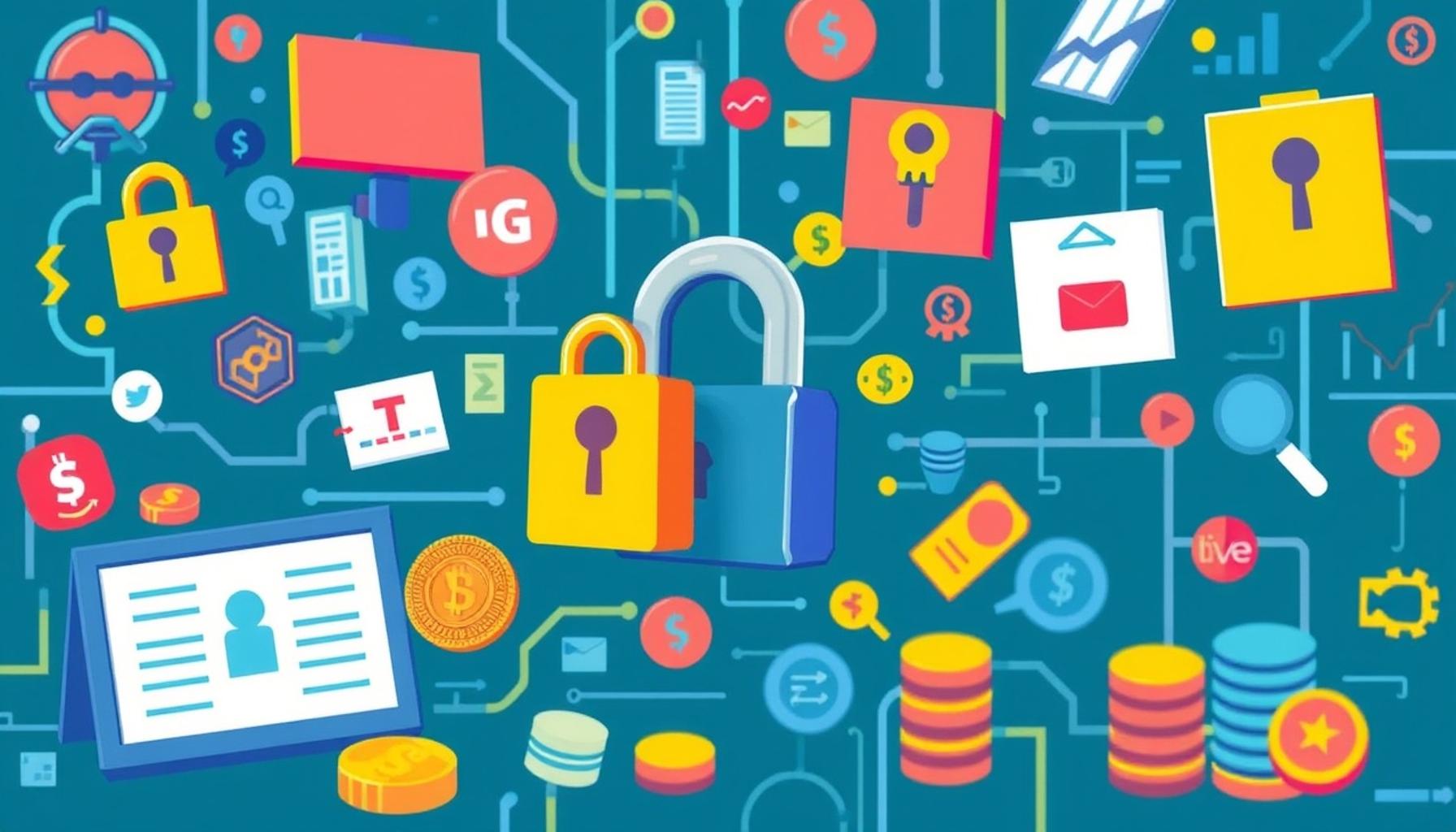
In today’s digital age, our lives are increasingly intertwined with social media. While these platforms provide a great opportunity for connection, they also expose us to significant risks regarding our personal data. Understanding how to protect your information is crucial in this interconnected world.
As we navigate through platforms like Facebook, Instagram, and Twitter, it’s essential to be aware of the potential threats that lurk in the digital landscape. Here are some common risks you may face:
- Phishing Attacks: Scammers often use fake links or messages that appear legitimate to steal your account information. For instance, you might receive an email that looks like it’s from your bank, asking you to click on a link to verify your account details. By clicking on this link, you could inadvertently expose your personal information.
- Data Breaches: Major hacks can put millions of users’ private information at risk. In 2020, several high-profile social media platforms experienced breaches where hackers gained unauthorized access to user accounts, leading to identity theft and financial loss for many. Such incidents highlight the importance of being vigilant about the data you share.
- Insecure Accounts: Weak passwords can lead to unauthorized access to your profiles. Many people still use easily guessable passwords like “123456” or “password.” Cybercriminals often use automated tools to crack these weak passwords, compromising your accounts in seconds.
Protective Steps for Your Data
The good news is that there are effective strategies you can use to safeguard your personal data. Implementing the right cybersecurity measures can significantly reduce your vulnerability. Here are some protective steps to consider:
- Enable Two-Factor Authentication: This adds an extra layer of security to your accounts. With two-factor authentication, even if a cybercriminal gets hold of your password, they will need a second form of verification, such as a code sent to your phone, to gain access.
- Review Privacy Settings: Adjust settings to limit how much information is publicly visible. Most platforms allow you to customize what others can see, helping you maintain control over your personal information. Take the time to understand these settings and modify them to your preference.
- Use Strong, Unique Passwords: Complex passwords are harder for cybercriminals to crack. Instead of using a simple password for multiple accounts, create unique, complex combinations that include letters, numbers, and symbols. Consider using a password manager to help track your passwords safely.
By taking these proactive steps, you will be better equipped to navigate the social media landscape safely. Remember, while the internet opens up incredible opportunities for communication and connection, it’s essential to protect yourself from risks that can jeopardize your personal information and peace of mind. Armed with knowledge and these effective tools, you can enjoy the benefits of social media without compromising your personal security.
DIVE DEEPER: Click here to uncover the shifts in online privacy
Essential Cybersecurity Tactics
In our interconnected world, where sharing intimate details about our lives online has become commonplace, ensuring the security of our personal data is of utmost importance. Cybersecurity is not just a concern for organizations; it is a necessary aspect of daily life for individuals, especially when using social media platforms. Implementing effective measures is crucial to protecting your information and maintaining your privacy. Here are some essential cybersecurity tactics you can employ to safeguard your personal data when engaging with social media platforms:
- Be Wary of Public Wi-Fi: While public Wi-Fi can be convenient, it often presents significant security risks. These networks usually lack strong encryption, making it easier for cybercriminals to intercept your data as it travels over the airwaves. For example, if you choose to access your social media accounts while sitting in a café, a hacker on the same network could capture your login credentials. To mitigate this risk, always opt for a secure, private connection whenever possible. Furthermore, consider using a Virtual Private Network (VPN), which encrypts your internet activity, ensuring that your data remains confidential, even on public networks.
- Regularly Update Your Software: Keeping your software up to date is one of the simplest yet most effective ways to protect your devices. Developers frequently release updates that include security patches to fix vulnerabilities that could be exploited by hackers. For instance, if your smartphone or computer alerts you to an available update, it is advisable to install it promptly. This habit not only protects your device from known threats but also enhances overall system performance. Schedule regular reminders to check for updates on all your devices and applications to ensure your defenses stay strong.
- Educate Yourself about Social Engineering: Many cybercriminals leverage social engineering tactics to trick individuals into revealing personal information. Understanding these manipulation tactics can significantly bolster your defenses. For example, be skeptical of unsolicited emails or direct messages that prompt you to click on links or provide sensitive details. A common example is phishing emails that may look like they come from your bank or a trusted service, prompting urgent action. When in doubt, independently verify the sender’s identity before engaging, as knowledge is your best shield against these tactics.
- Limit Personal Information Sharing: It is crucial to be mindful of the personal information you share on social media platforms. Over-sharing can lead to unwanted attention, harassment, or even identity theft. Consider setting your profile to private and regularly reviewing your posts to ensure that you are only sharing what is necessary. Moreover, utilize the privacy settings offered by each platform to control who sees your information. For instance, on platforms like Facebook and Instagram, you can customize your audience for each post, giving you more control over your data.
By taking these proactive cybersecurity measures, you can significantly reduce your risk of falling victim to cyber threats. It is essential to remember that cybersecurity is not a one-time task but an ongoing process that requires vigilance and continuous effort. Staying informed and being proactive in your approach will help you navigate social media with greater confidence, allowing you to enjoy its benefits without compromising your privacy and security.
DISCOVER MORE: Click here to learn how to score free clothes on Shein!
Advanced Techniques for Data Protection
While the tactics mentioned previously provide a solid foundation for securing your social media presence, there are additional strategies you can adopt to further enhance your data protection. By implementing these advanced techniques, you not only make it harder for cybercriminals to access your information but also empower yourself with the knowledge necessary to navigate social media safely.
- Enable Two-Factor Authentication (2FA): One of the most effective safeguards against unauthorized access to your accounts is to activate two-factor authentication. This security feature requires you to provide a second form of verification in addition to your password, making it significantly more difficult for hackers to gain access. For example, after entering your password, you might need to enter a code sent to your mobile phone. Services like Instagram, Facebook, and Twitter offer this option, so take a moment to enable it in your account settings for added peace of mind.
- Use Strong, Unique Passwords: A strong password is your first line of defense against cyber threats. Instead of using easily guessable passwords like “password123” or reusing the same password across multiple platforms, create complex passwords that combine letters, numbers, and special characters. Consider using a password manager to generate and store unique passwords securely. A tool like LastPass or Dashlane can help you manage even the most complicated passwords easily, helping to minimize your risk of being hacked.
- Review App Permissions: Many social media platforms allow third-party applications access to your data. While these services can enhance your social media experience, they can also pose risks to your privacy. Regularly review the permissions you’ve granted these apps and revoke access to any you no longer use or don’t fully trust. For instance, Facebook lets you manage app settings from the ‘Settings’ menu, so take advantage of this feature to ensure your data remains secure.
- Be Cautious with Friends and Followers: The nature of social media is fundamentally social, and while connecting with friends can enhance your experience, it is essential to be cautious about who you allow into your online circle. Before accepting friend requests, take time to verify the person’s profile or approach. Fake accounts can often masquerade as trustworthy individuals to gather personal data. Additionally, consider regularly reviewing your friend list and removing individuals who you no longer know or feel comfortable sharing your information with.
- Recognize the Dangers of Location Sharing: Posting your location on social media can be convenient, but it also exposes you to risks such as stalking or unwanted attention. Disable location tagging in your posts and consider using privacy settings to turn off geolocation access on your devices. For example, you might share a fun night out with friends, but avoid disclosing your exact location in real-time to maintain control over your whereabouts and enhance your safety.
Employing these advanced techniques as part of your social media strategy will significantly bolster your overall security posture. As the digital landscape evolves, so too will the tactics employed by cybercriminals. Staying informed and proactive is essential in protecting your personal data and fostering a safer online community.
DISCOVER MORE: Click here for insights on 5G’s impact
Conclusion
In today’s digital age, social media platforms have become an integral part of our lives, making it essential to prioritize cybersecurity to protect our personal data. As we’ve explored, implementing effective strategies ensures that your online presence remains secure from potential threats. By adopting practices such as enabling two-factor authentication, using strong and unique passwords, and regularly reviewing app permissions, you can significantly reduce the risk of unauthorized access to your accounts.
Moreover, being cautious about your social connections and recognizing the dangers of location sharing are crucial steps toward safeguarding your privacy. Remember, while the benefits of social media are vast, the risks can equally be significant if not managed responsibly. The digital landscape is constantly evolving, presenting new challenges that require us to remain vigilant and informed.
Ultimately, by educating yourself on these cybersecurity strategies and actively applying them, you empower not only yourself but also contribute to fostering a safer online community for everyone. Recognizing that your data is invaluable and taking proactive steps to protect it will enhance your social media experience and give you the peace of mind to enjoy connecting with others. Stay safe, stay informed, and invest in your digital security as a fundamental part of your social media journey.

Maria Eduarda
Linda Carter is a writer and expert known for producing clear, engaging, and easy-to-understand content. With solid experience guiding people in achieving their goals, she shares valuable insights and practical guidance. Her mission is to support readers in making informed choices and achieving significant progress.