The Role of 5G in the Hybrid Events Revolution: Connectivity and User Experience
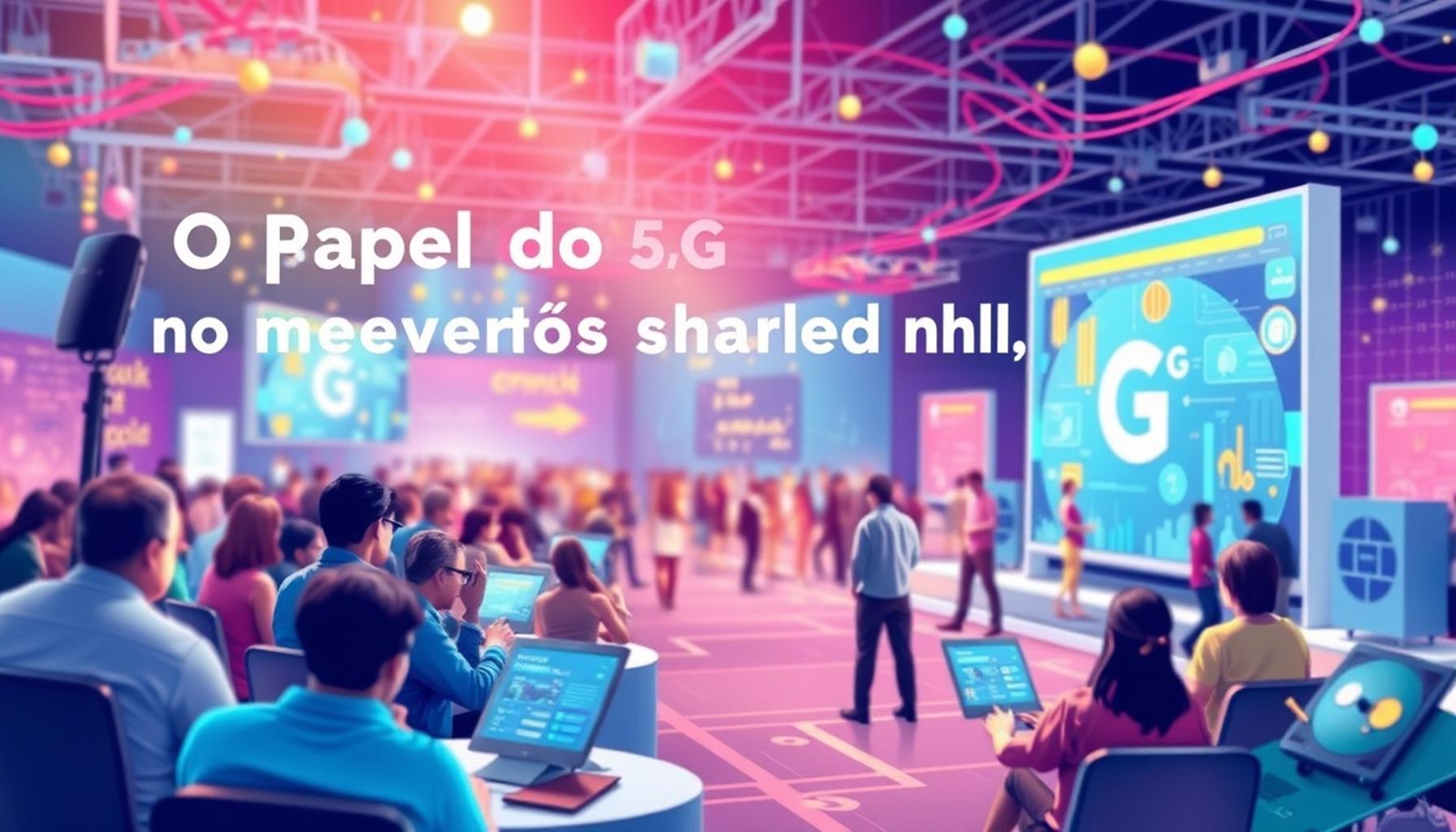
The Impact of 5G Technology on Hybrid Events
As our world becomes increasingly interconnected, the introduction of 5G technology is transforming how we communicate and engage with one another. This new era of rapid connectivity is particularly significant in the realm of hybrid events, where in-person and virtual experiences merge seamlessly. With the advancements that 5G brings to the table, participants—whether attending from home or on-site—can expect an enriched and connected experience that was previously hard to achieve.
Key Features of 5G that Elevate Hybrid Events
- Ultra-Fast Speeds: One of the standout features of 5G technology is its ultra-fast internet speeds. This allows attendees to effortlessly share and receive high-quality video content in real time. For instance, a virtual speaker can instantly broadcast a live demonstration to all attendees, significantly enhancing interaction and engagement. No longer do participants have to deal with buffering or low-quality visuals that detract from the experience.
- Low Latency: In a hybrid setting, minimal latency is a game-changer. With 5G, the delay in communication is drastically reduced, resulting in almost instantaneous feedback. Imagine a situation where in-person audience members can ask questions and receive immediate responses from virtual participants—and vice versa. This facilitates smoother discussions and encourages a more dynamic interaction among all attendees.
- Increased Connectivity: 5G offers the capability to connect a greater number of devices simultaneously without sacrificing performance. This is crucial during hybrid events where multiple attendees wish to participate in various aspects of the event. As an example, imagine a large conference where hundreds of people are using their smartphones or laptops to join breakout sessions, participate in chat discussions, and view live streams, all at the same time. 5G makes this level of connectivity possible.
Enhancing the User Experience
The advantages of 5G extend beyond just speed and connectivity; they significantly improve the overall user experience for both in-person and virtual participants. Here are some enhancements to expect:
- Enhanced Visuals: High-definition video streaming becomes standard with 5G. This means dynamic presentations, vibrant performances, and engaging visual content can be shared without compromising quality. For example, a band performing at an event can be streamed in sharp detail to remote viewers, making them feel almost like they’re there in person.
- Interactive Features: The power of real-time engagement tools, such as polls and Q&A sessions, is amplified with 5G. Virtual attendees can provide immediate feedback during discussions, enhancing involvement and providing event organizers with instant insights about participants’ thoughts and opinions.
- Accessible Networking: Networking opportunities are vastly improved in a 5G-enabled hybrid event. Event organizers can utilize tools that allow easy interactions among attendees, regardless of their location. Participants can connect via virtual breakout rooms or chat platforms, fostering meaningful connections that extend beyond the event itself.
In summary, the integration of 5G technology into hybrid events is a pivotal advancement that redefines attendee experiences. Understanding this transformative impact is essential for both organizers and participants. Embracing these changes will not only enhance the engagement levels during events but also prepare us for a future where connectivity is faster, smoother, and more immersive.
DISCOVER MORE: Click here to dive into the future of interactivity
Transforming Interaction in Hybrid Events
With the advent of 5G technology, the landscape of hybrid events is witnessing a remarkable transformation. As we dive deeper into the crucial aspects of connectivity and user experience, it’s essential to recognize how the unprecedented speed, reliability, and capacity of 5G can redefine interactions in these hybrid settings. 5G allows event organizers to create environments where both in-person and remote participants feel equally valued, engaged, and connected. Let’s explore how this revolutionary technology enhances contact points during events.
Real-Time Collaboration and Communication
One of the most significant enhancements brought forth by 5G is the ability to facilitate real-time collaboration and communication among attendees. Imagine a scenario where a corporate webinar is held, and participants from various geographic locations can join seamlessly. They can engage in live discussions, share documents, and even collaborate on projects through interactive digital platforms—all without experiencing delays or disruptions. This is accomplished through:
- Seamless Virtual Integration: 5G allows for smooth integration of various communication tools that participants can use, such as video conferencing, messaging, and file sharing. This flexibility ensures that every attendee, whether they are physically present or joining online, can interact freely and effectively.
- Dynamic Engagement Opportunities: With 5G, event organizers can implement features like live polls, quizzes, and breakout sessions to facilitate immediate participation. This kind of engagement is particularly beneficial when encouraging feedback and sparking conversations among audience members.
- Improved Accessibility for Diverse Audiences: The enhanced connectivity offered by 5G means that individuals from varying backgrounds and locations can participate without barriers. This can lead to larger, more inclusive audiences, ultimately creating a richer dialogue and a more diverse exchange of ideas.
These advancements not only improve the overall efficiency of hybrid events but also play an essential role in fostering a sense of community. Participants can feel more connected to one another, despite geographical distances, leading to stronger relationships and networks. This evolution of interaction is crucial to ensuring that all attendees leave with valuable insights and connections that extend beyond the event itself.
Data-Driven Insights at Your Fingertips
Another noteworthy benefit of 5G in hybrid events is the ability to harness real-time data analytics. Event organizers can gather instant feedback and metrics about participant engagement, session popularity, and overall satisfaction. This data enables organizers to adapt content dynamically, ensuring that the needs and preferences of attendees are consistently met. Some aspects of this data-driven approach include:
- Instant Feedback Tools: Organizations can implement survey tools that allow attendees to share their thoughts on sessions immediately after they conclude. This not only empowers participants but also helps organizers to continually improve future events.
- Contextualized Content Delivery: The ability to track which topics receive the most engagement can guide organizers on what content to focus on. Tailoring sessions based on attendee preferences can drive a more personalized experience.
- Long-Term Engagement Strategies: Analyzing attendee behavior across multiple hybrid events can shed light on trends and interests. This insight allows organizers to craft effective follow-up strategies, ensuring participants remain engaged even after the event ends.
Overall, the 5G technology landscape not only revolutionizes how we host hybrid events but also redefines the entire attendee experience. As we continue to explore the impact of 5G, it becomes clear that enhanced interaction and insightful engagement are at the heart of what makes modern hybrid events successful.
DON’T MISS OUT: Click here to uncover the secrets
Elevating Content Delivery and Engagement
Beyond enhancing communication and feedback mechanisms, 5G technology is also revolutionizing the way content is delivered in hybrid events. With its ability to support high-definition video streaming and rich multimedia experiences, 5G paves the way for more captivating presentations and showcases. This evolution significantly contributes to maximizing both in-person and online user engagement.
High-Quality Streaming Experiences
One of the standout features of 5G is its capability to provide uninterrupted, high-quality video streaming. During hybrid events, presenters can use advanced visual techniques such as augmented reality (AR) and 360-degree videos to create immersive experiences that captivate audiences. Consider a product launch where remote attendees can view the new product in real-time through interactive 3D models. The advantages include:
- Enhanced Visual Content: With the speed and reliability of 5G, event hosts can deploy stunning visuals that utilize less buffering and lag. This ensures that all participants witness the same awe-inspiring content, whether they’re observing live or participating virtually.
- Interactive Features: 5G supports various features like virtual product trials and simulation software, allowing attendees to engage more thoroughly with the event content. This interaction helps bridge the gap between the physical and virtual environments, making every participant feel included.
- Reliable Connectivity in Crowded Venues: Large-scale events often suffer from bandwidth congestion as numerous devices connect simultaneously. 5G’s advanced capacity management minimizes the risk of connectivity issues, guaranteeing that every person in attendance has access to the same high-quality experience.
Tailored Attendee Experiences
The application of 5G technology extends to creating more tailored experiences for attendees, enhancing personal engagement throughout hybrid events. By leveraging subscriber data and advanced analytics, event planners can design customized pathways for users. This dimension of personalization includes:
- Personalized Agenda Selection: With 5G, attendees can receive real-time updates on which sessions to attend based on their interests and previous interactions. For example, a user who enjoyed a session on sustainability can be notified about related discussions happening elsewhere in the event.
- Localized Networking Opportunities: 5G can enable an app that assists participants in finding others with shared interests. By encouraging spontaneous networking opportunities over a seamless connection, attendees can make valuable professional contacts effortlessly.
- Customized Follow-ups: After an event concludes, 5G facilitates swift communication between attendees and organizers. Personalized thank-you notes, feedback requests, or additional learning materials can be dispatched to participants based on their engagement levels during the event.
As we consider the holistic suite of capabilities offered by 5G technology, it’s clear that its role in transforming hybrid events goes far beyond mere connectivity. By enhancing content delivery and personalizing attendee experiences, 5G empowers organizers to harness the full potential of hybrid events, ultimately elevating the user experience for everyone involved. This transformation is pivotal as it creates a lasting impact on how events are planned, executed, and experienced in today’s interconnected world.
DISCOVER MORE: Click here for insider tips and tricks
Conclusion: Embracing the Future of Hybrid Events
As we navigate through the digital age, 5G technology emerges as a transformative catalyst for hybrid events. Its remarkable capabilities in delivering high-speed connectivity not only enhance the streaming quality of presentations but also enrich the overall attendee experience. By providing seamless access to high-definition video, augmented reality, and interactive features, 5G allows for a captivating and immersive environment that draws both in-person and virtual participants into the fold.
The personalization that 5G facilitates opens new avenues for engagement, enabling event planners to tailor experiences based on individual preferences and interests. This tailored approach significantly enhances user satisfaction and makes every participant feel valued and included, regardless of their mode of attendance. Moreover, as connectivity issues become less of a concern with 5G’s robust infrastructure, hybrid events can broaden their reach and accommodate a larger audience without compromising the experience.
In conclusion, as industries continue to redefine engagement norms in a hyper-connected world, 5G stands at the forefront of this revolution. Its impact on hybrid events is profound, shaping a future where seamless connectivity and enriched user experiences become standard. By harnessing these advancements, organizations can prepare to host dynamic events that resonate with global audiences, paving the way for innovative interactions that transcend geographical barriers. Embracing 5G is not just a technological upgrade; it is an investment in the future of engagement that promises to elevate events to new heights.

Maria Eduarda
Linda Carter is a writer and expert known for producing clear, engaging, and easy-to-understand content. With solid experience guiding people in achieving their goals, she shares valuable insights and practical guidance. Her mission is to support readers in making informed choices and achieving significant progress.