

How Much Does It Cost to Build a House?
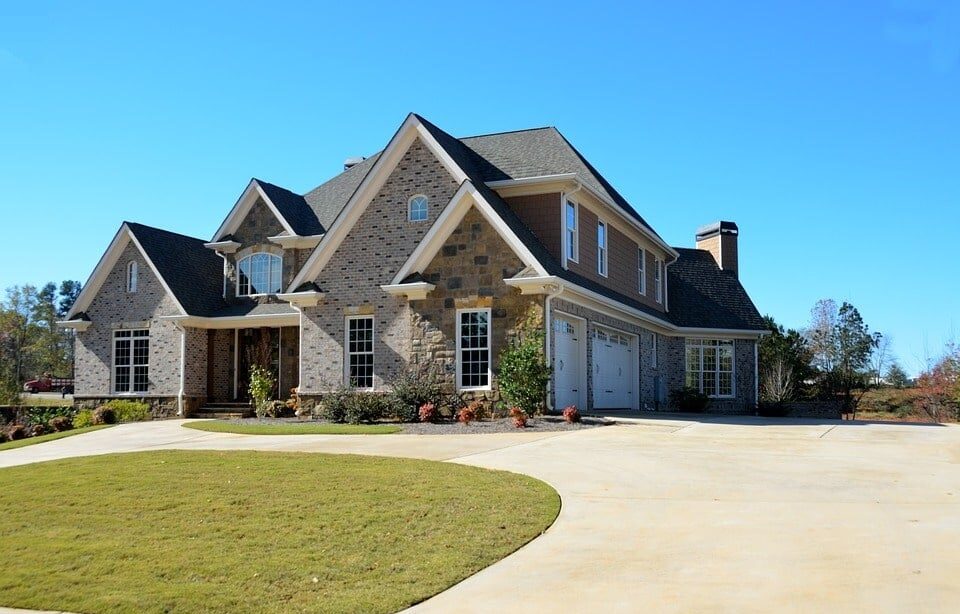
Building a house is a significant investment and involves careful planning and budgeting. The cost to build a house in Canada can vary widely depending on several factors, including location, size, design, materials, and labor.
This article will provide a detailed overview of the costs associated with building a house in Canada, breaking down the expenses involved and offering tips on how to manage and reduce costs.
Factors Influencing the Cost of Building a House
Location
The cost of building a house can vary significantly based on the location. Urban areas like Toronto, Vancouver, and Montreal typically have higher construction costs due to higher land prices, labor costs, and stricter building regulations.
In contrast, rural areas or smaller cities may offer more affordable options. Additionally, the cost of transporting materials can be higher in remote locations.
Size and Design
The size and design of the house are major determinants of the overall cost. Larger homes with more square footage naturally require more materials and labor, driving up costs.
The complexity of the design also plays a role; custom designs with unique features, intricate architectural details, or specialized finishes will be more expensive than standard or pre-designed plans.
→ SEE ALSO: Breaking Free: How to Get Out of Debt
Materials
The choice of materials can significantly impact the cost of building a house. High-end materials such as hardwood flooring, granite countertops, and custom cabinetry can add substantial costs.
Conversely, opting for more budget-friendly materials like laminate flooring, standard cabinetry, and basic fixtures can help keep costs down.
Labor
Labor costs are another major factor. The availability and cost of skilled labor can vary by region. In areas with a high demand for construction services, labor costs can be significantly higher.
It’s essential to hire reputable contractors and builders to ensure quality work, but this can also increase overall expenses.
Permits and Regulations
Building permits and regulatory fees are necessary expenses that vary depending on the municipality. These costs can include building permits, zoning fees, environmental assessments, and utility connection fees.
Adhering to local building codes and regulations may also require additional expenses.
Breaking Down the Costs
Land Costs
Before construction begins, purchasing land is a critical first step. The cost of land varies greatly depending on the location. In urban areas, land can be extremely expensive, whereas in rural areas, it can be more affordable.
It’s essential to factor in any additional costs for land preparation, such as clearing, grading, or demolishing existing structures.
Design and Planning Costs
Design and planning costs include hiring an architect or designer to create the house plans. These professionals ensure that the design meets your needs and complies with local building codes.
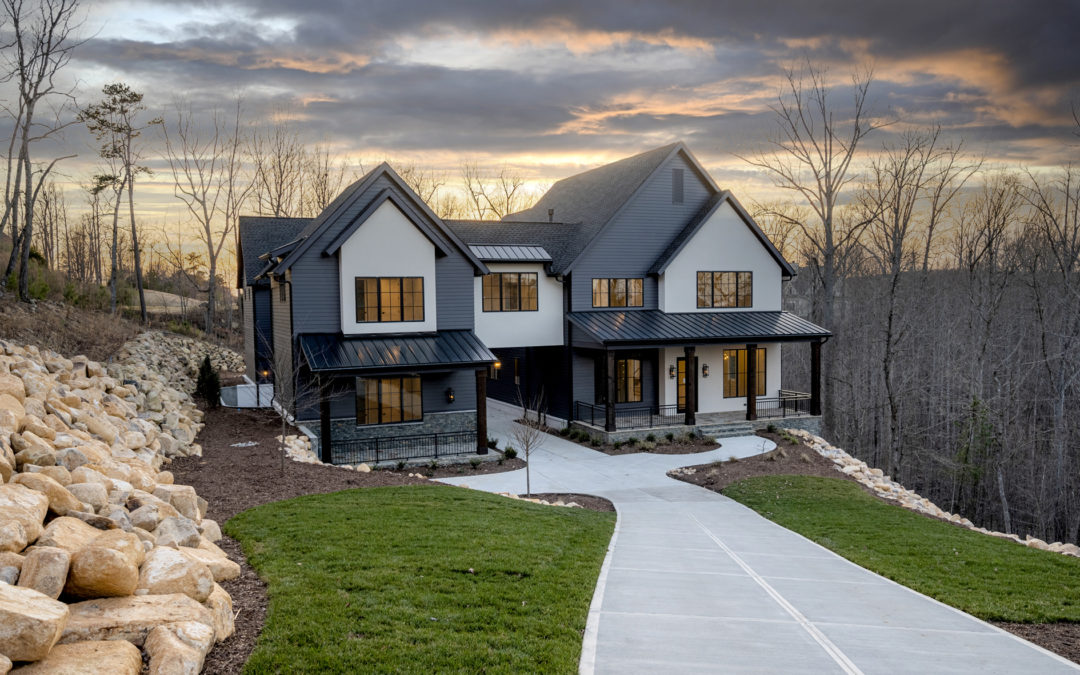
Costs for these services can range from a few thousand dollars for basic plans to tens of thousands for custom designs.
Foundation
The foundation is a critical component of any house and typically accounts for a significant portion of the overall construction budget.
The cost will depend on the type of foundation (e.g., slab, crawl space, or full basement), soil conditions, and the size of the house.
On average, foundation costs can range from $10,000 to $40,000 or more.
Framing
Framing is the process of building the structural framework of the house. This includes the walls, roof, and floors.
The cost of framing depends on the size and complexity of the house, as well as the price of lumber and other materials. Framing costs can range from $20,000 to $50,000 or more.
Exterior Finishes
Exterior finishes include roofing, siding, windows, and doors. These elements protect the house from the elements and contribute to its aesthetic appeal.
The cost of exterior finishes can vary widely depending on the materials chosen. For example, brick or stone siding will be more expensive than vinyl siding. Overall, exterior finishes can cost between $30,000 and $60,000.
Interior Finishes
Interior finishes encompass everything inside the house, including drywall, insulation, flooring, cabinetry, countertops, and paint.
The cost of interior finishes can vary significantly based on the quality of materials and finishes selected. On average, interior finishes can range from $50,000 to $100,000 or more.
Mechanical Systems
Mechanical systems include plumbing, electrical, heating, ventilation, and air conditioning (HVAC). These systems are essential for the functionality and comfort of the house.
The cost of mechanical systems depends on the size of the house and the complexity of the installations. On average, mechanical system costs can range from $30,000 to $50,000.
Landscaping
Landscaping is often an overlooked cost in the initial budgeting process but can add significant expenses.
This includes grading, planting trees and shrubs, installing a lawn, and possibly adding features like walkways, patios, and driveways.
Landscaping costs can range from $5,000 to $20,000 or more, depending on the scope of the project.
Tips for Managing and Reducing Costs
Set a Realistic Budget
Before starting the construction process, it’s crucial to set a realistic budget. Consider all potential costs, including land, materials, labor, permits, and unexpected expenses. Having a clear budget helps guide decisions and prevent overspending.
Get Multiple Quotes
Obtain quotes from multiple contractors and suppliers to ensure competitive pricing. Comparing quotes can help identify cost-saving opportunities and ensure you’re getting the best value for your money.
Prioritize Needs vs. Wants
Differentiate between essential features and nice-to-have extras. Prioritizing your needs over wants can help keep costs down.

Focus on the core structure and functionality of the house first, and consider adding luxury features later if the budget allows.
Consider Phased Construction
If budget constraints are a concern, consider phased construction. Building the house in stages allows you to spread out the costs over time.
Start with the essential components and add features like additional rooms, finishes, or landscaping in future phases.
Conclusion
The cost to build a house in Canada varies widely depending on factors such as location, size, design, materials, and labor.
By understanding these factors and breaking down the expenses involved, you can create a detailed and realistic budget.
While building a house is a significant financial commitment, careful planning and smart decision-making can help manage costs and ensure that your dream home becomes a reality.
Whether you’re building a modest family home or a luxurious custom residence, being informed and prepared is key to a successful construction project.
→ SEE ALSO: What is a Kids Bank Account?

Beatriz
Beatriz Johnson is a seasoned financial analyst and writer with a passion for simplifying the complexities of economics and finance. With over a decade of experience in the industry, she specializes in topics like personal finance, investment strategies, and global economic trends. Through her work, Beatriz empowers readers to make informed financial decisions and stay ahead in the ever-changing economic landscape.


